
Heritage
Sri Lanka's heritage in one page: Sigiriya, the sacred cities of Anuradhapura and Polonnaruwa, Dambulla's painted caves, Kandy's Tooth Relic and Galle Fort. 27 heritage are listed here, each with its season and how to reach it. Heritage is the island's all-season card: when the beaches are wet, the ancient cities are usually dry.
Rock fortresses, sacred cities and a fort the ocean guards.
The icons
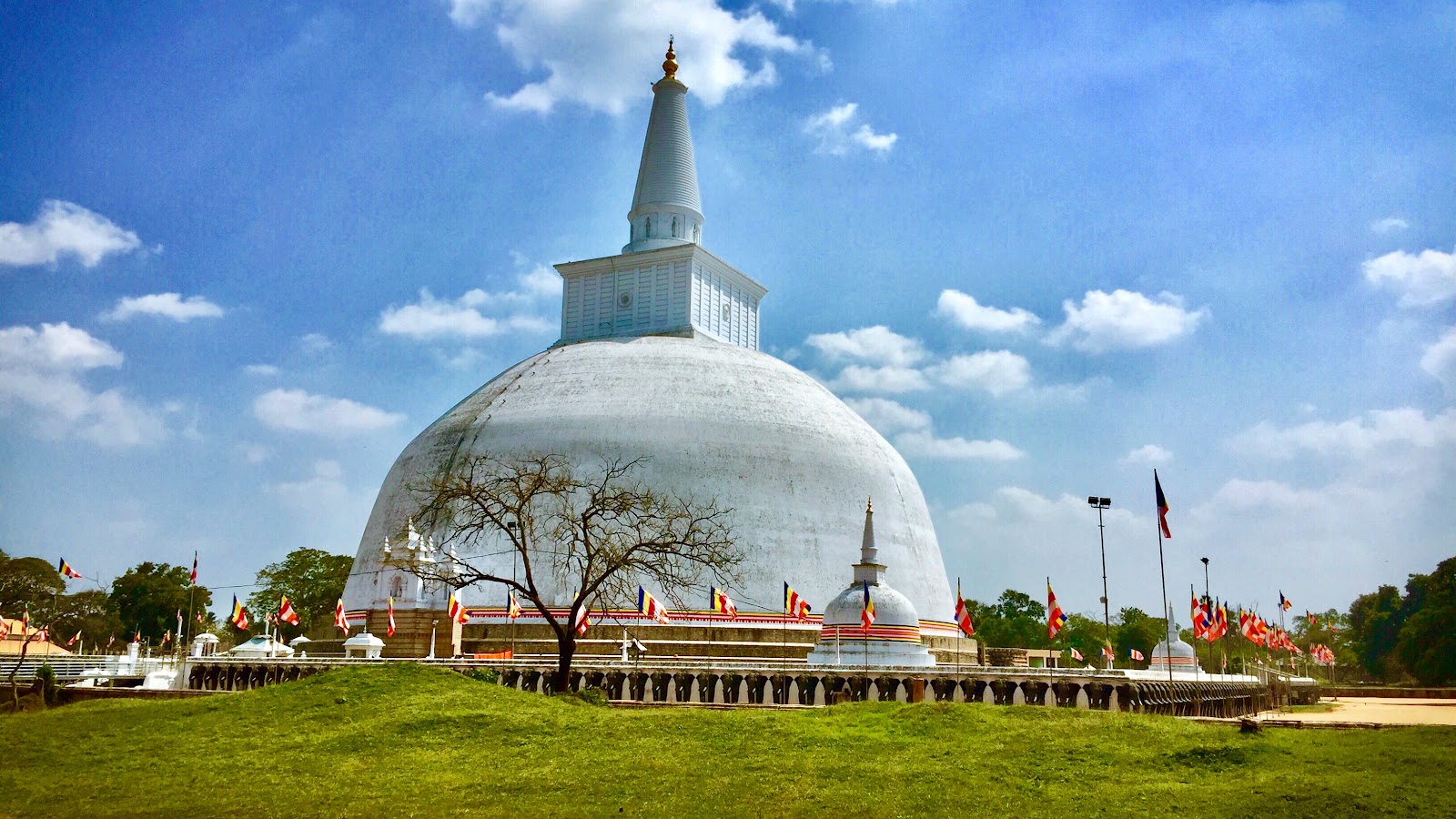
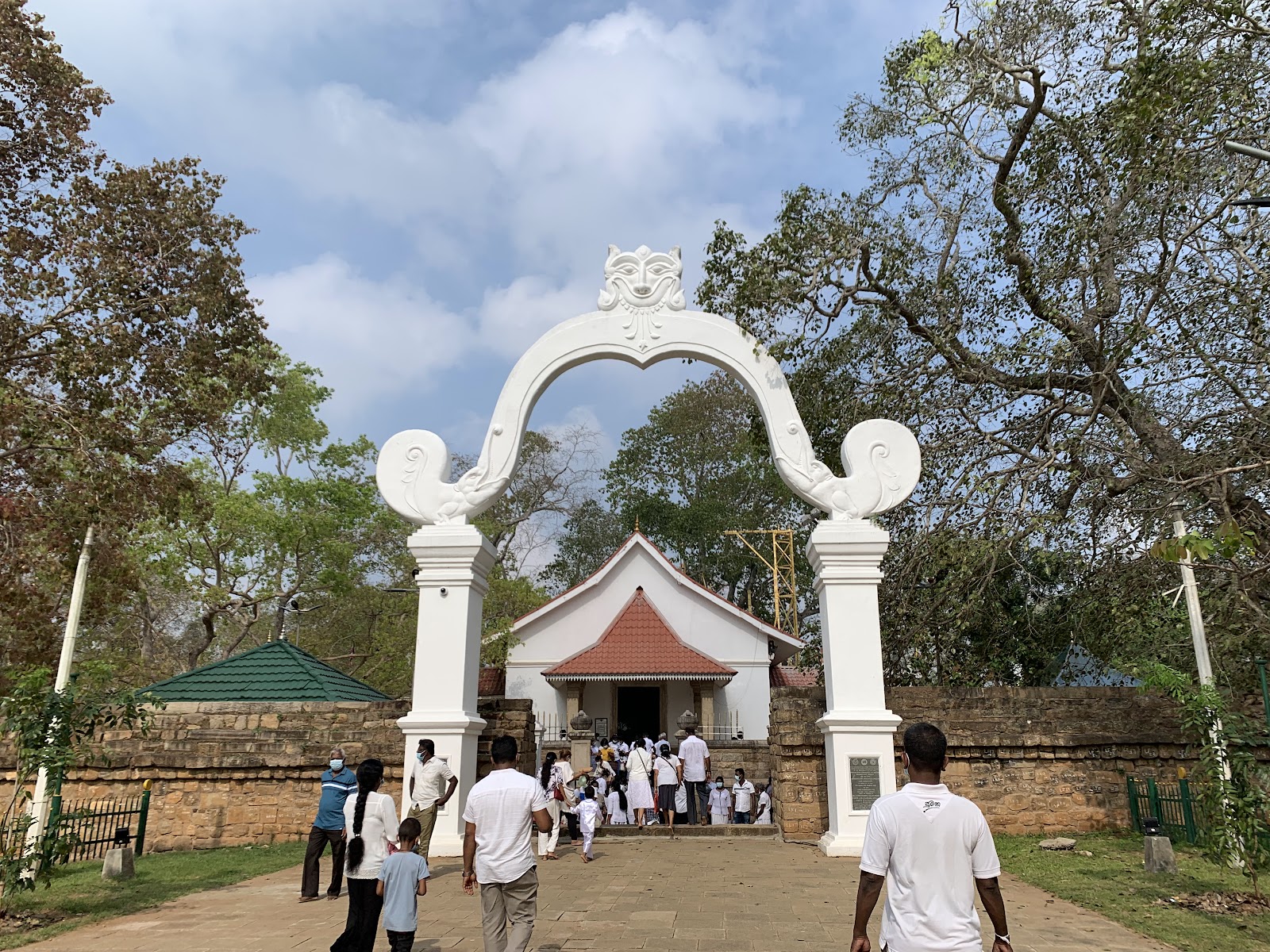
All heritage sites
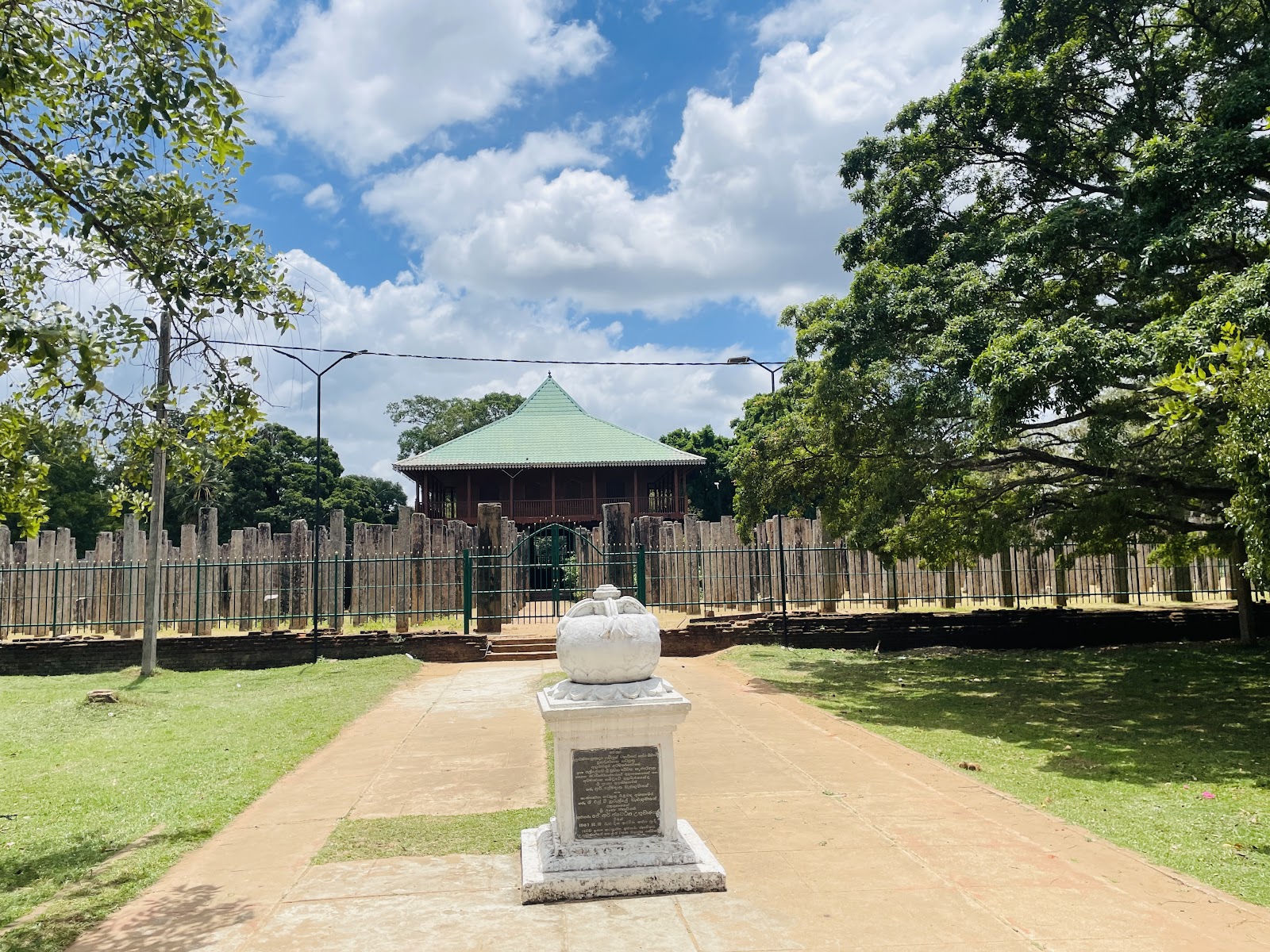 4.9
Lovamahapaya
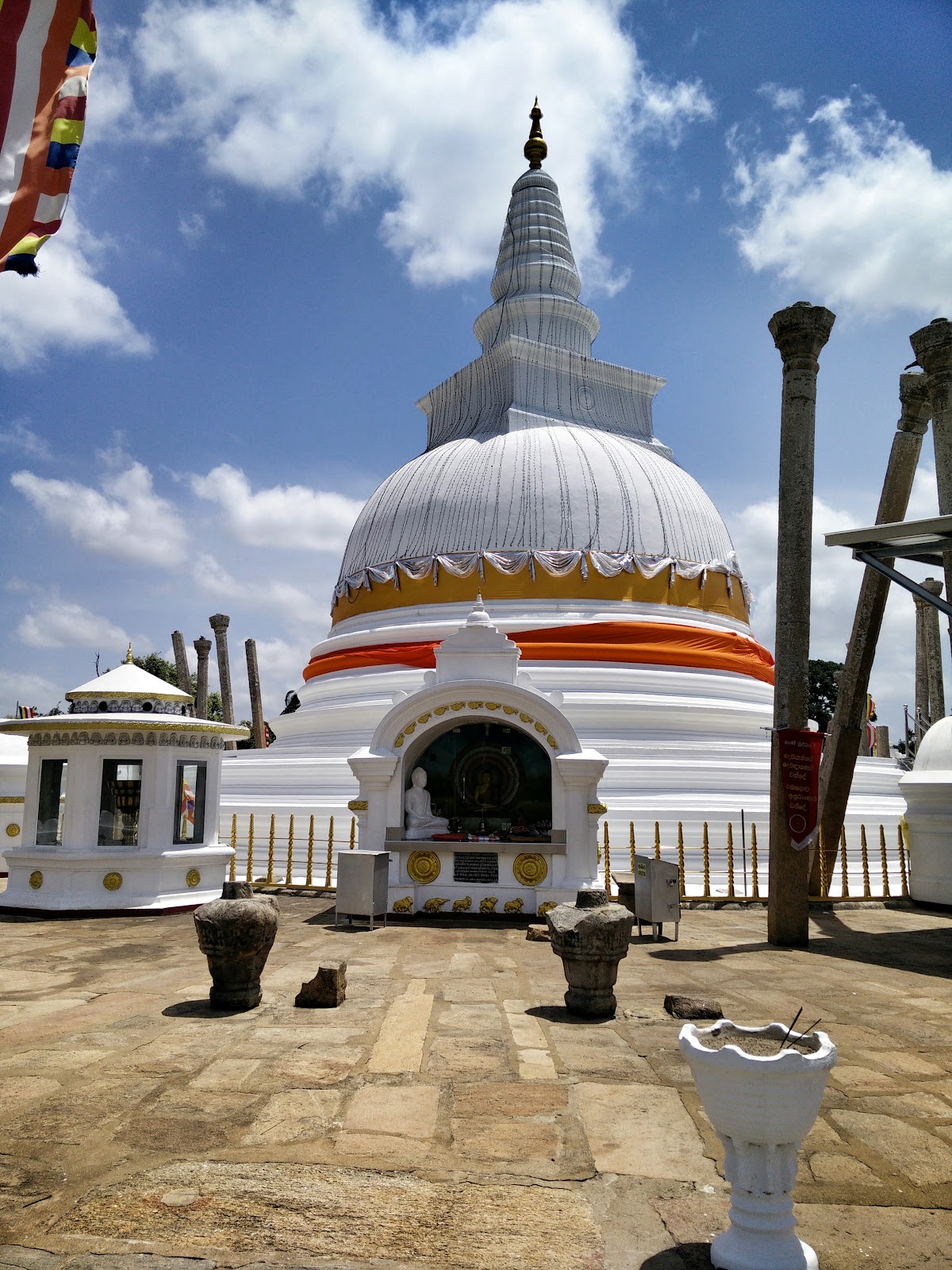 4.8
Thuparamaya
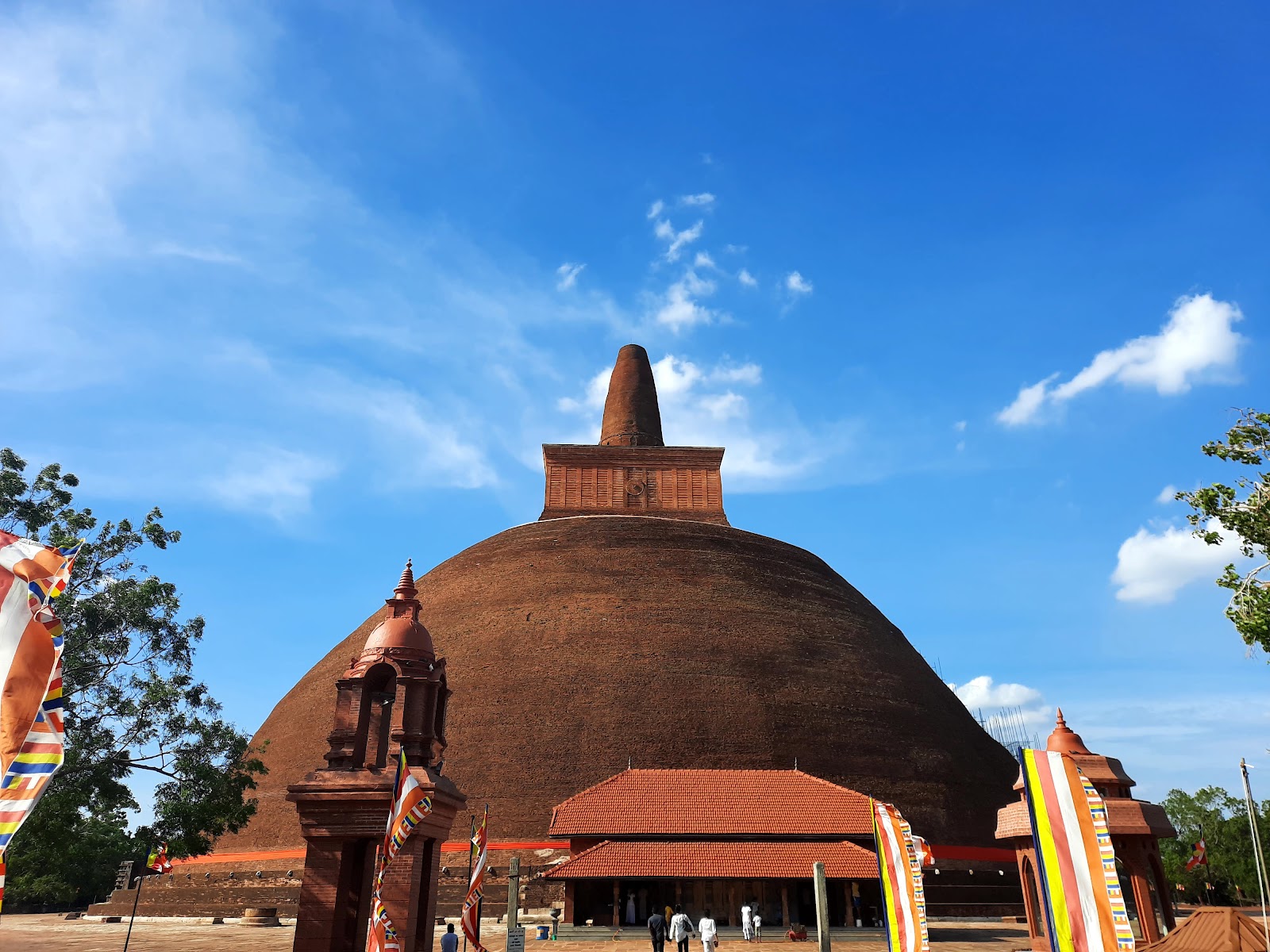 4.8
Abhayagiriya
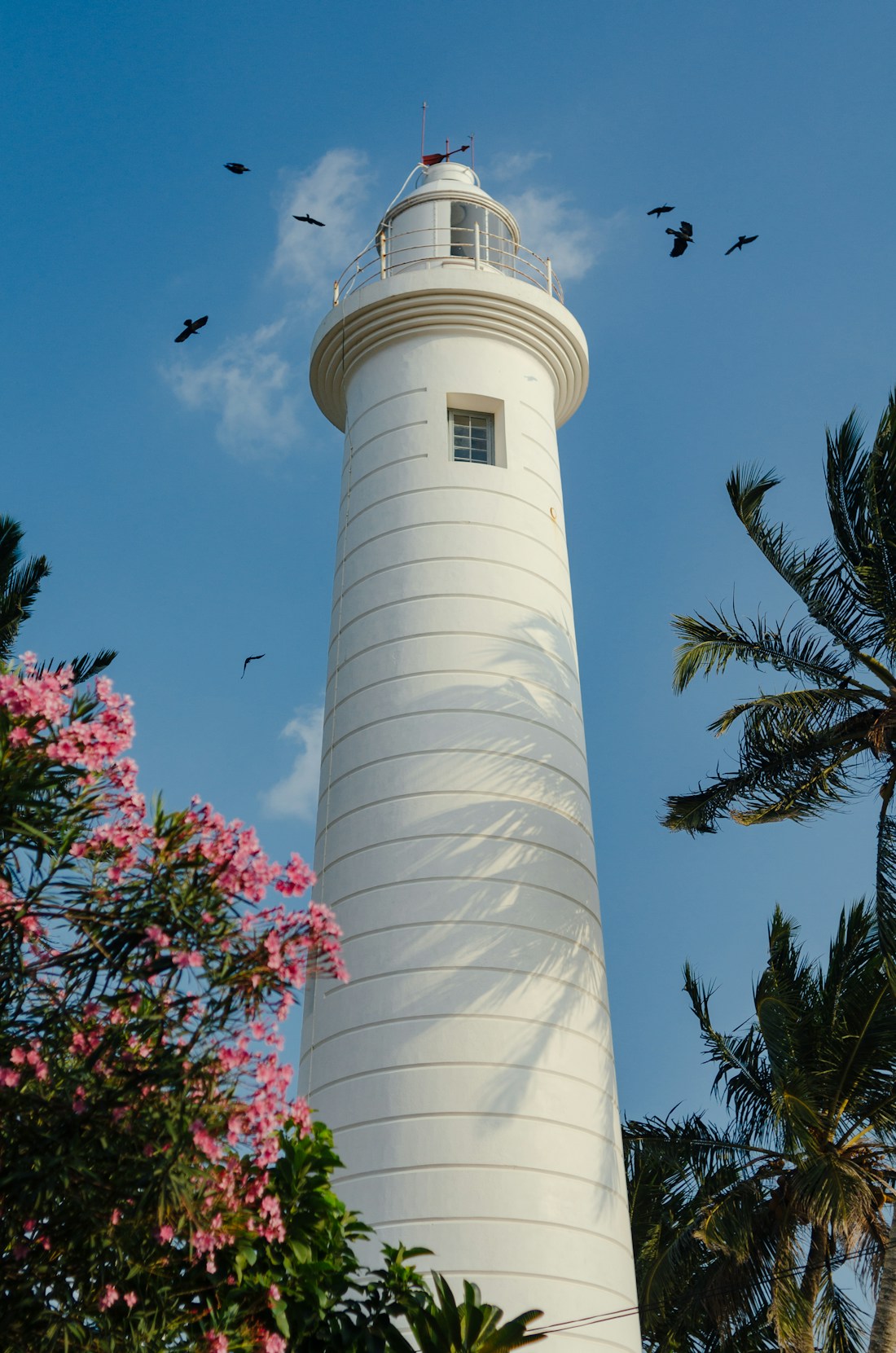 4.7
Galle Fort
South coast
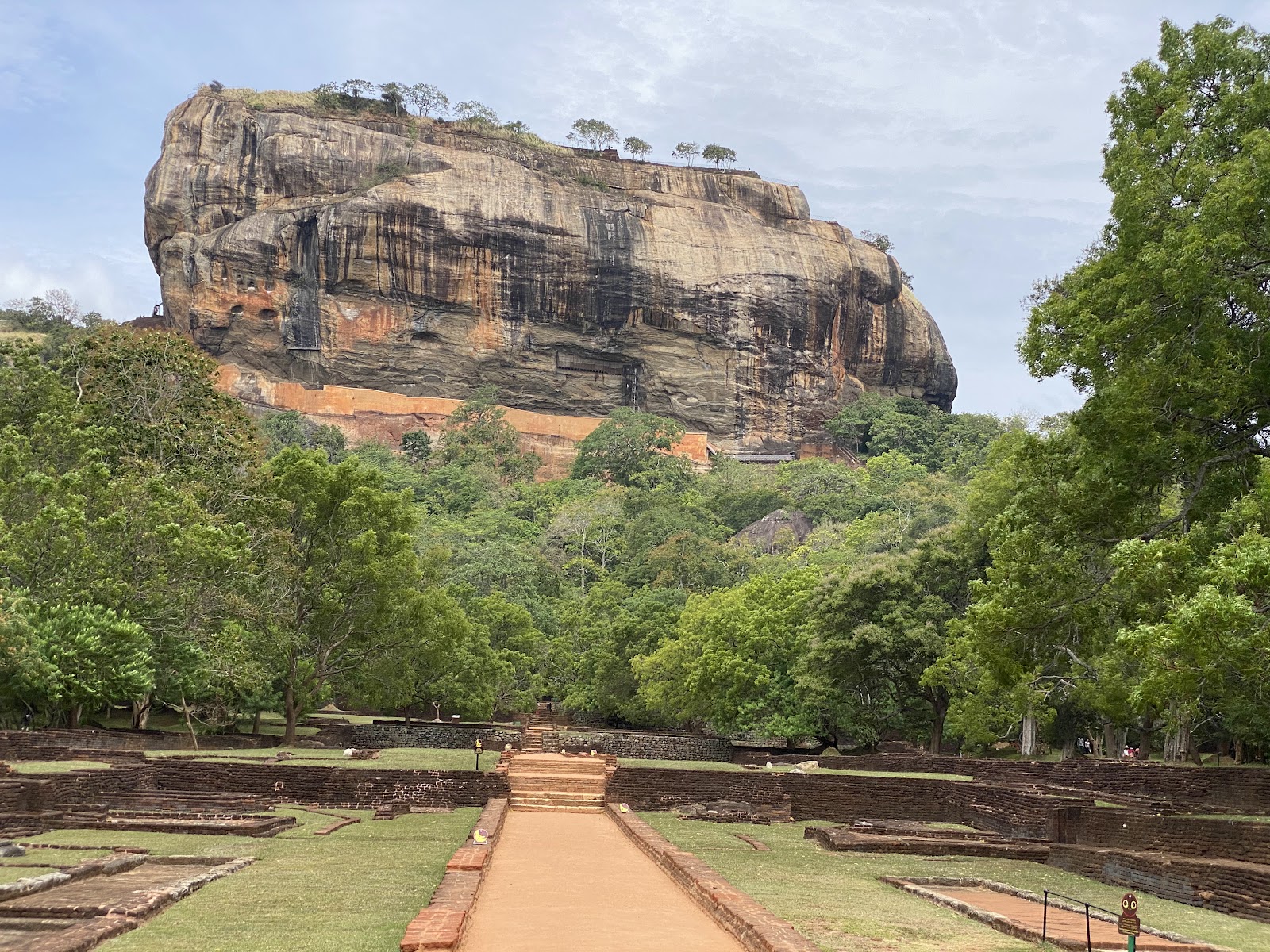 4.7
Sigiriya
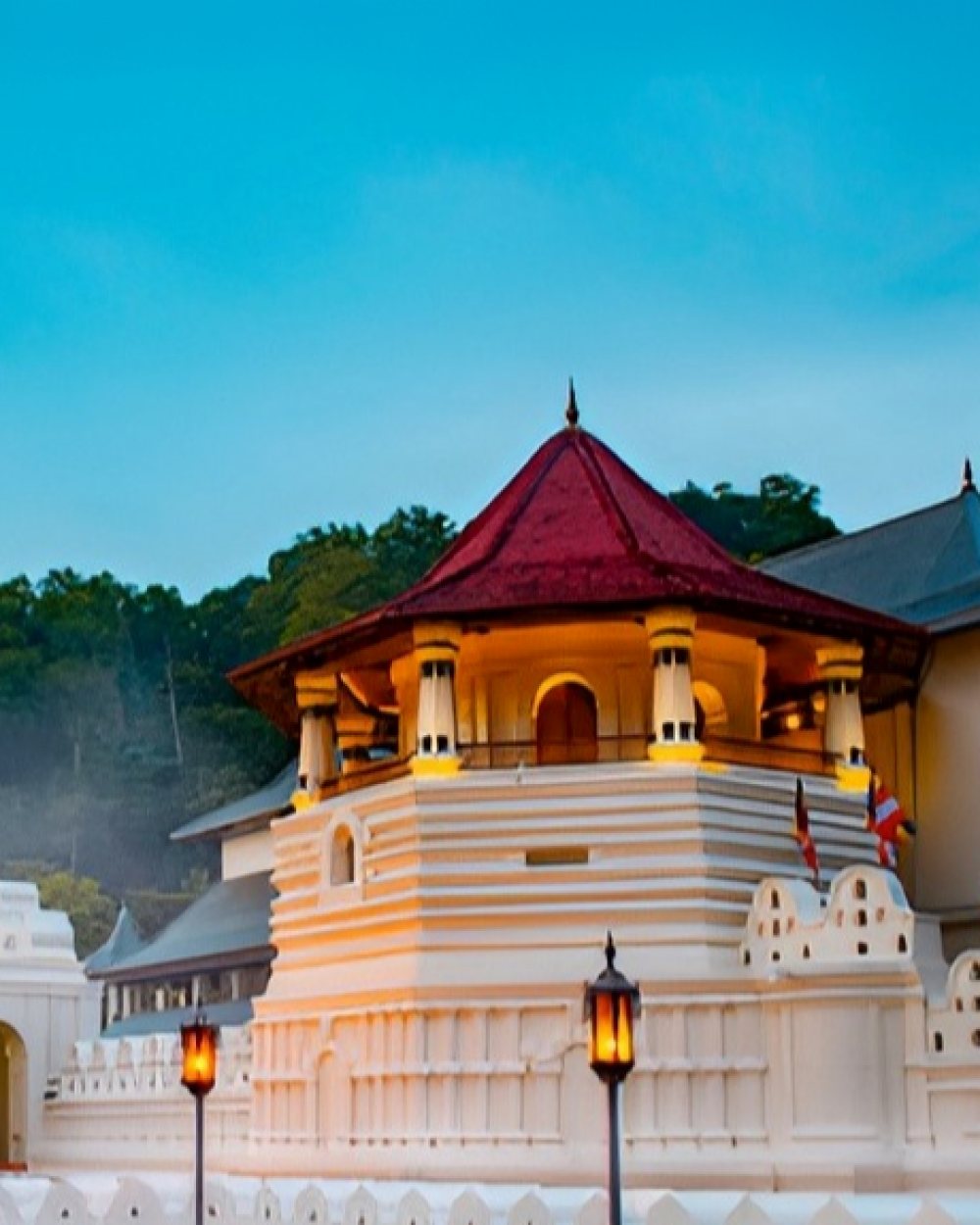 4.7
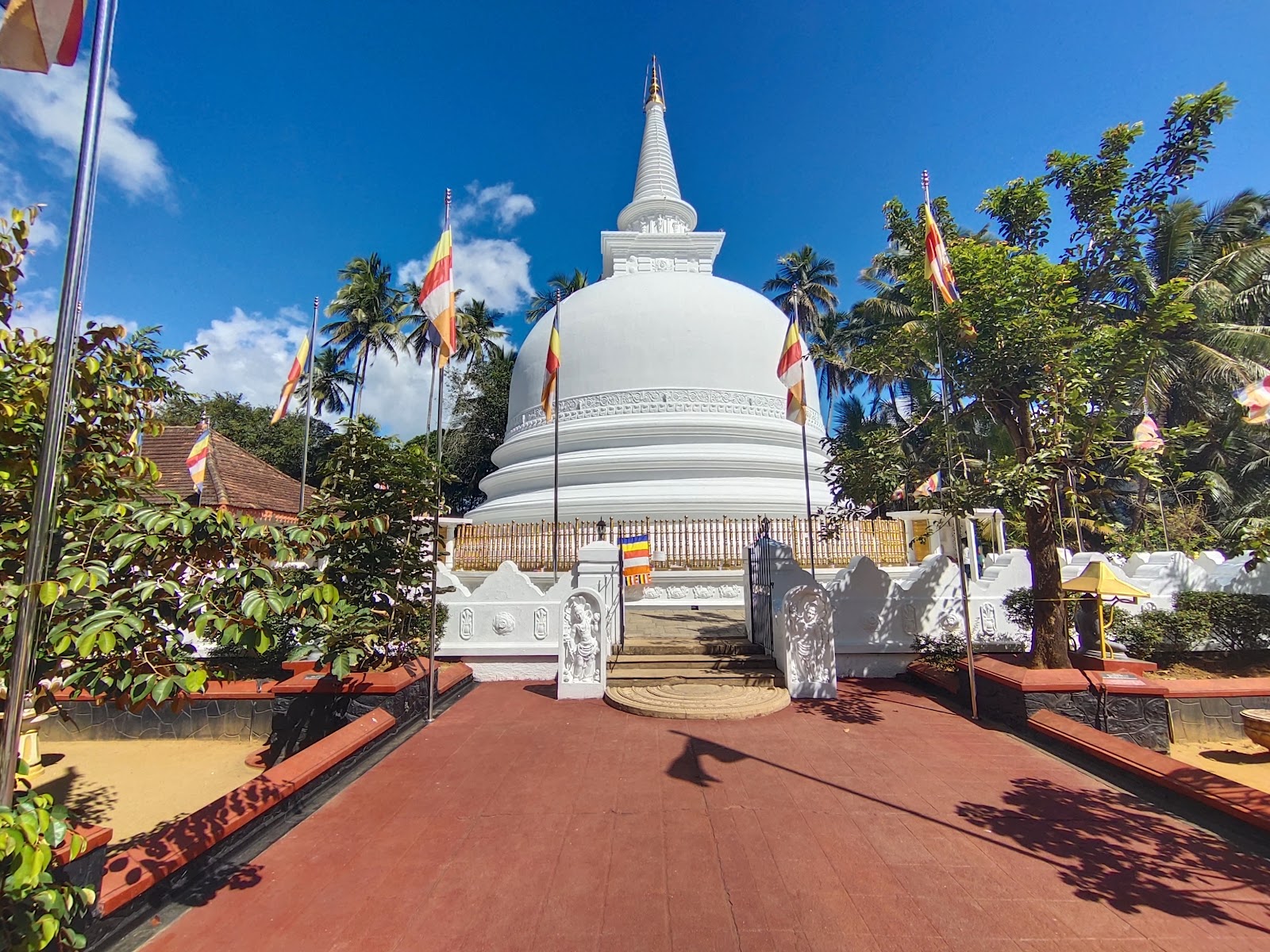
Sri Dalada Maligawa
 4.7
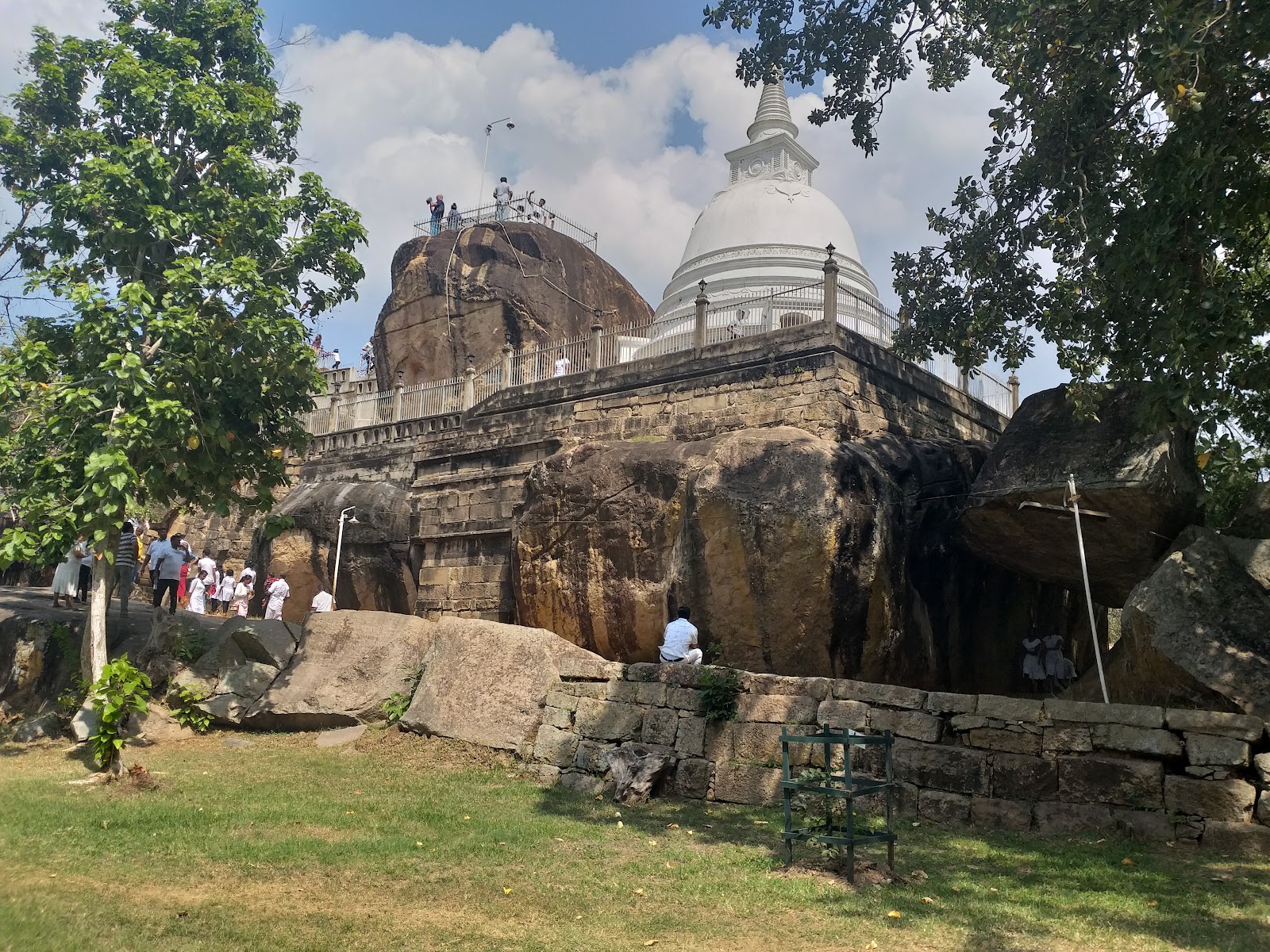
Muthiyangana Raja Maha Viharaya
 4.7
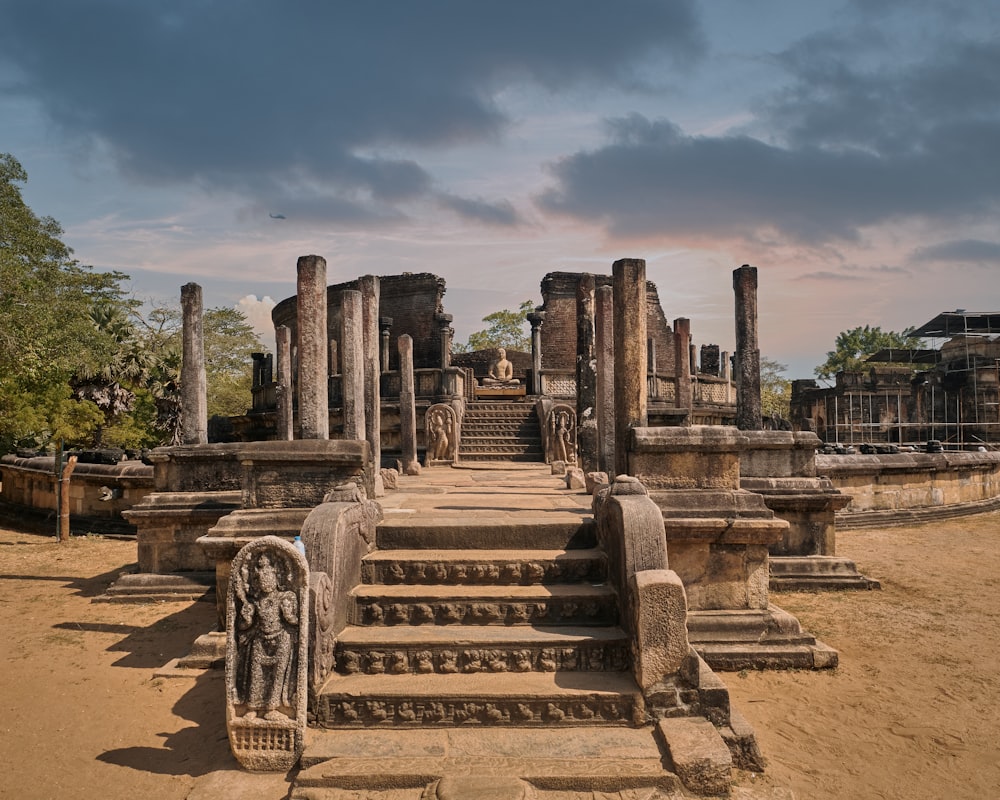
Isurumuniya Temple
 4.6
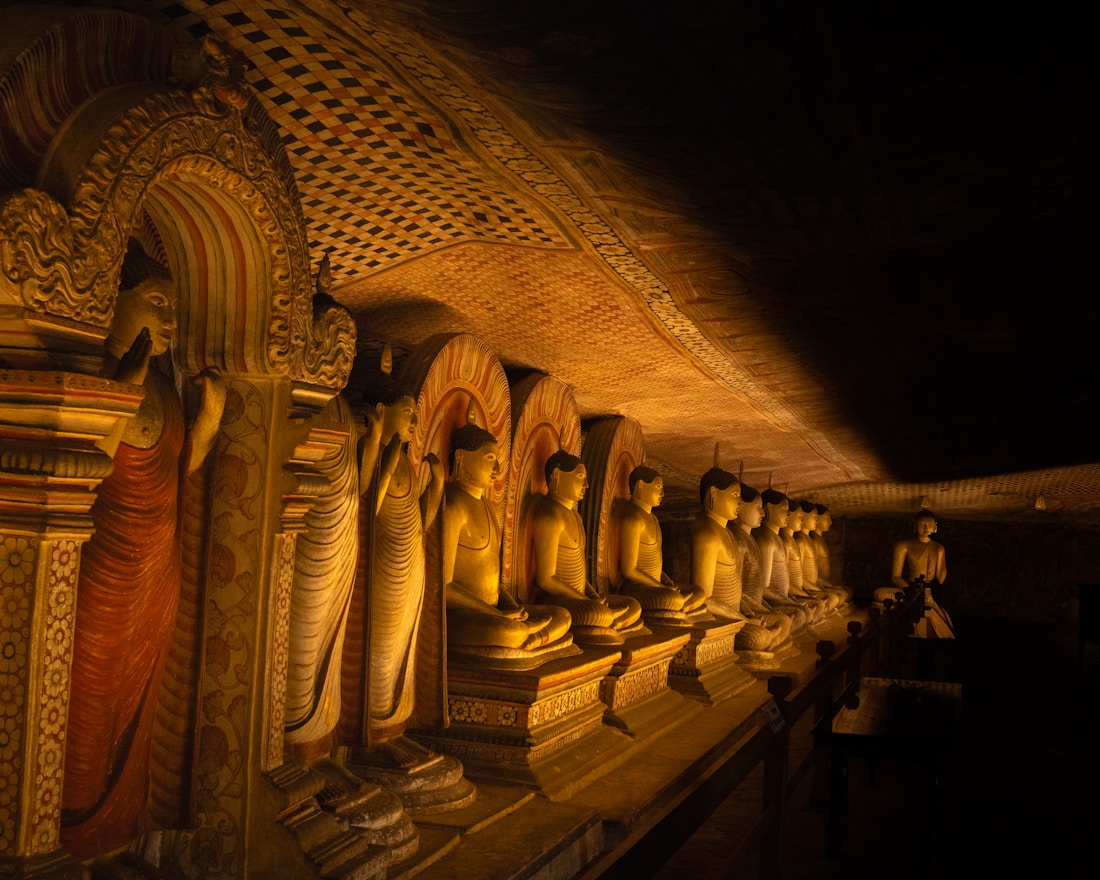
Polonnaruwa Ancient City
 4.6
Dambulla Royal Cave Temple
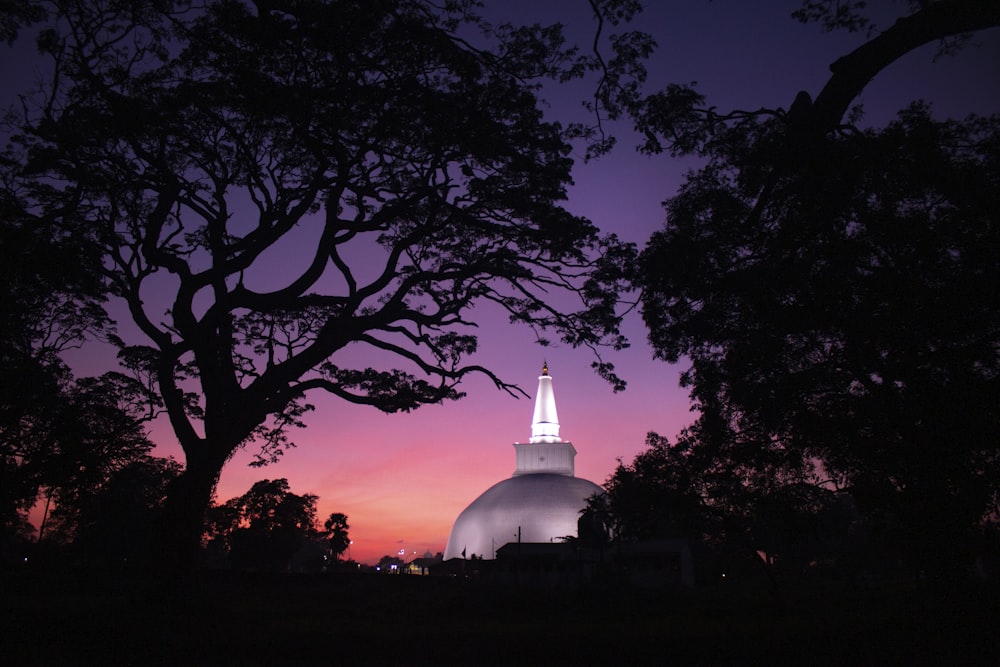 4.5
Anuradhapura Sacred City
4.5
Dambulla Cave Temple
4.5
Dambulla Cave Temple
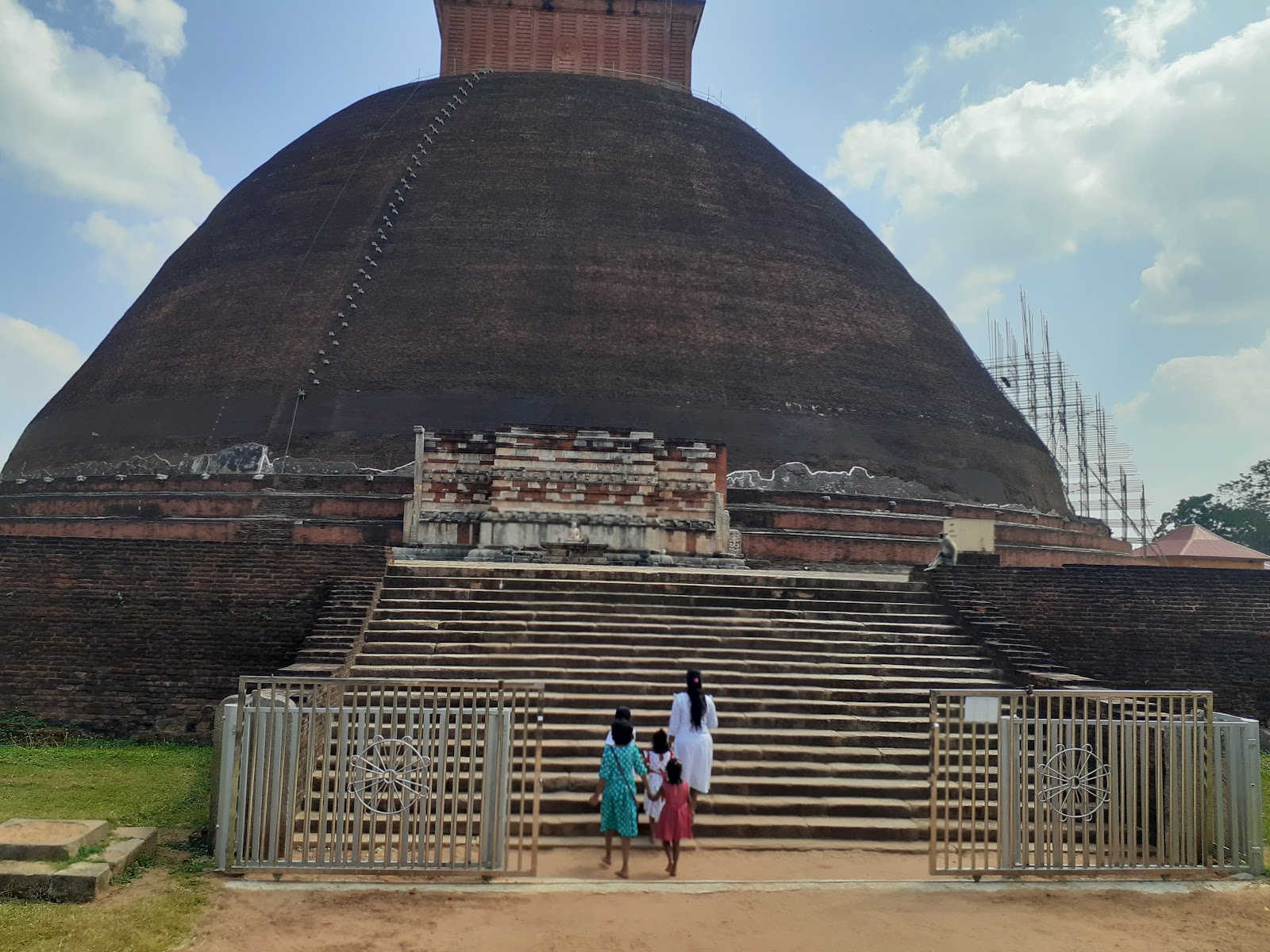 Jetavanaramaya
 4.8
Sigiriya Rock Fortress
4.7
Temple of the Sacred Tooth Relic
4.6
Koneswaram Temple
East coast
4.6
Nallur Kandaswamy Kovil
4.5
Kelaniya Raja Maha Vihara
4.4
Mihintale
4.4
Gangaramaya Temple
Anuradhapura
Polonnaruwa
Galle
Dambulla
No sites match your filters.
When to go
The dry-zone sites work in any month. Climb Sigiriya and Mihintale before 9am, the stone holds the heat by noon.
Temples fill with white-clad pilgrims on Poya, atmospheric to witness, busiest to visit. Go early and dress modestly.
The Esala Perahera turns Kandy into a ten-night pageant of drummers, dancers and tuskers. Book rooms months ahead.
Heritage is the island's all-season card: when the beaches are wet, the ancient cities are usually dry.
Where the past lives
The heartland: three ancient capitals and the rock fortress within a two-hour loop, best based in Sigiriya or Dambulla.
The kingdom that never fell to the coast-bound colonisers, home of the island's most sacred relic.
Ramparts, gabled streets and a working lighthouse: Europe's footprint, best at golden hour, free to wander.
Golden Hindu kovils, Dutch forts and a Tamil cultural world that rewards the long train ride.
Walk the timeline
Read top to bottom and you walk 2,500 years: kingdom to kingdom to colony, all still standing.
Beyond the ticket booth
Know before you go
Common questions
Why is the gate price higher than the price online?
An 18 percent VAT sits on most foreign tickets, service charges and vehicle permits in 2026, and many blogs quote the pre-tax base fee. Budget for the tax on top.
How do I pay less for a safari?
Share a jeep. The fixed vehicle and service fees split across the group, so a full six-seater can drop your per-person entry from about USD 45 to about USD 31.
Is there a cheaper alternative to Sigiriya?
Yes. Pidurangala Rock next door is about LKR 1,000 (USD 3) versus USD 35, and it gives you the postcard view of Sigiriya itself.
Do children pay full price?
Foreign children (roughly 6 to 12) usually pay about half the adult rate and under-6s are free. Local children under 18 now enter 26 major heritage sites free.