Sri Lanka Festivals & Seasons: What to Plan a Trip Around
Sri Lanka runs on lunar months and two monsoons. The events worth planning around, from the Kandy Esala Perahera to the elephant Gathering and blue-whale season. Around 13 to 14 April, the **Aluth Avurudu / Puthandu** new year unites Sinhala Buddhist and Tamil Hindu communities, set not at midnight but by astrological times (the *nekath*), with a neutral.
On this page
- Sinhala & Tamil New Year (April)
- Poya days, Vesak & Poson
- Kandy Esala Perahera (Jul to Aug)
- Pilgrimages: Adam’s Peak & Kataragama
- Wildlife gatherings
- The Perahera, night by night
- Vesak, beyond the postcard
- Avurudu, hour by hour
- Thai Pongal: the pot that boils over
- Deepavali in tea country
- Ramadan rhythm on the east coast
Sinhala & Tamil New Year (April)
Around 13 to 14 April, the Aluth Avurudu / Puthandu new year unites Sinhala Buddhist and Tamil Hindu communities, set not at midnight but by astrological times (the *nekath*), with a neutral *nonagathe* pause, lighting the hearth, boiling milk, betel offerings to elders, and games like *kotta pora* (pillow fighting) and the greased-pole climb. Expect peak hotel rates and a quiet, family-focused few days.
Sources: [1]
Poya days, Vesak & Poson
Every full-moon Poya day is a public holiday; alcohol sales pause and many locals visit temples. Vesak (May) marks the Buddha’s birth/enlightenment/passing with lanterns, *pandals* and free food stalls (*dansala*); Poson (June) centres on Anuradhapura and Mihintale, where Buddhism arrived on the island.
Sources: [1]
Kandy Esala Perahera (Jul to Aug)
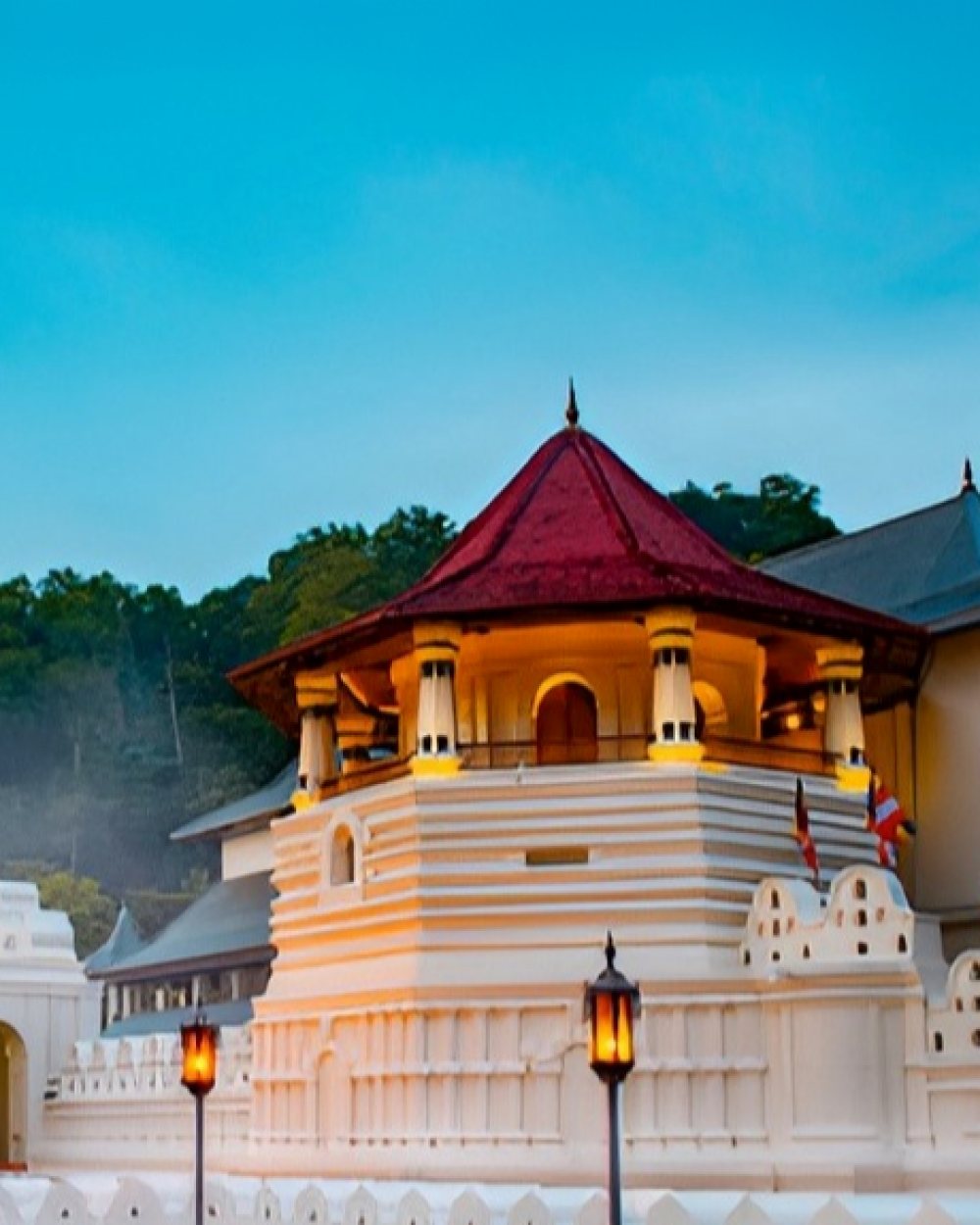
The island’s grandest pageant: ten nights of caparisoned elephants, Kandyan dancers, drummers, fire-twirlers and the sacred Tooth Relic casket, building to the Randoli Perahera. Dates follow the lunar calendar (typically late July to early August), book Kandy accommodation and grandstand seats well ahead.
Sources: [1]
Pilgrimages: Adam’s Peak & Kataragama
Adam’s Peak (Sri Pada) has a defined climbing season from about December to May (Poya to Vesak), when the path is lit and dry; outside it, the route is unlit and often dangerous. Kataragama (Jul to Aug) is a famously syncretic festival of fire-walking and penance shared by Buddhists, Hindus and Muslims.
Sources: [1]
Wildlife gatherings
Nature keeps its own calendar: “The Gathering” sees hundreds of elephants converge on the receding Minneriya/Kaudulla reservoirs around August to September; blue and sperm whales pass Mirissa roughly November to April (and Trincomalee around May to September); and millions of butterflies drift toward Adam’s Peak in the “Samanala” migration early in the year.
Sources: [1]
The Perahera, night by night
Before the crowds: Kap Situveema
Nights 1 to 5: Kumbal Perahera
Nights 6 to 9: Randoli Perahera
The final night: Maha Randoli
What passes you, in order
The morning after: the water cutting
Vesak, beyond the postcard
Vesak turns the whole island into a festival of light for two nights, but where you stand changes everything. In Colombo, the biggest zone wraps around Beira Lake and Gangaramaya temple, thousands of lanterns doubled in the water, with the giant lit pandals of Bauddhaloka Mawatha telling stories from the Buddha’s past lives panel by panel. Kandy offers the same glow reflected in its lake at half the crowd density, Galle Fort mixes lanterns with colonial walls and sea air, and Anuradhapura skips spectacle for something quieter: thousands of white-clad pilgrims keeping precepts under the sacred Bo tree.
Everywhere you will pass a dansal, a free food stall run by families, temples or offices as an act of giving. Anyone may join the queue, tourists included; accept with two hands, say *bohoma sthuthi*, and do not offer to pay. The fragile paper lanterns (*Vesak kudu*) are meant to be impermanent; when one catches fire or collapses in the wind, that is part of the point.
Sources: [1]
Avurudu, hour by hour
The Sinhala and Tamil New Year is choreographed to the minute by astrologers. First comes the nonagathe, a neutral gap between the old year and the new when work and cooking stop entirely and families head to the temple. At the appointed minute the new year dawns to firecrackers and the rabana drum, then the hearth is lit facing a prescribed direction, milk boils over in a new clay pot, and kiribath (milk rice) opens the first meal. The ganu denu exchange of coins invites a lucky financial year, and the games begin: pillow fights over a beam, blindfolded pot smashing (*kana mutti*), tug of war.
Tamil homes mark Puthandu the same days with their own forms: a kani tray of fruit, gold and a mirror arranged the night before so the first sight of the year is abundance, elders gifting money as *kai-vishesham*, and mangai pachadi, a dish blending sweet, sour, bitter and hot as a reminder the year will bring all four. For travellers the practical read is simple: the island celebrates at home, so plan around closures, not events.
Sources: [1]
Thai Pongal: the pot that boils over
In mid January, Tamil families thank the sun for the harvest. Courtyards are decorated with kolam rice-flour patterns, a new clay pot is tied with turmeric leaves, and rice, milk and jaggery boil until the pot overflows to shouts of *Pongalo Pongal*, the overflow itself the whole point: more than enough. Sweet sakkarai pongal shares the table with the peppery, ghee-laden savoury version, vadai fritters and murukku. The following day, Maattu Pongal, honours the cattle: washed, garlanded, horns painted, and fed sweet pongal before anyone else. Jaffna and the hill-country tea towns are the best places to see it.
Sources: [1]
Deepavali in tea country
The festival of lights lands differently in the hill-country estates, home to Tamil communities brought from South India by the British planters in the 1800s. Line houses are cleaned and lit with rows of small oil lamps, everyone wears their brightest new clothes, and drumming and song fill the estate halls with music that carries the community’s history: migration, longing, faith and sly commentary on estate life. If you are staying near Hatton, Talawakelle or Nuwara Eliya in late October, ask your guesthouse about local celebrations, and go gently; these are working villages, not attractions.
Sources: [1]
Ramadan rhythm on the east coast
During the fasting month, Muslim towns in the east, Kattankudy above all, invert their clock. Days run quiet and slow; after the evening iftar the streets erupt into bazaars that trade until one or two in the morning, with textile shops, food carts and packed tea stalls. The meal that breaks the fast centres on nombu kanji, a spiced rice and lentil porridge slow-cooked in huge pots at the mosques and shared with anyone who queues, often enriched with beef or mutton and finished with coconut milk. Visiting during Ramadan is genuinely rewarding: just eat discreetly in public by day in Muslim areas, and come hungry after dark.
Sources: [1]
Frequently asked
When is the Kandy Esala Perahera?
What is a Poya day and does it affect travel?
When’s the best time for whales and elephants?
Can I climb Adam’s Peak any time of year?
Places in this guide



Sources
We compile and link to public sources; details change, so verify time-sensitive specifics before you travel.