
Birdwatching
The best birdwatching in Sri Lanka: Kalametiya and Anawilundawa wetlands, dry-zone tanks and Kumana, with 30+ endemics and huge winter migrant flocks. 17 birdwatching are listed here, each with its season and how to reach it. Sri Lanka records well over 400 species, including 30+ found nowhere else on earth.
Lagoon flocks at dawn, jewel-bright kingfishers, owls after dark.
Featured hotspots
All birding spots
 5.0
Kalametiya Main Bird Park
 5.0
Birding tours tissamaharama / owls mammals nature wildlife
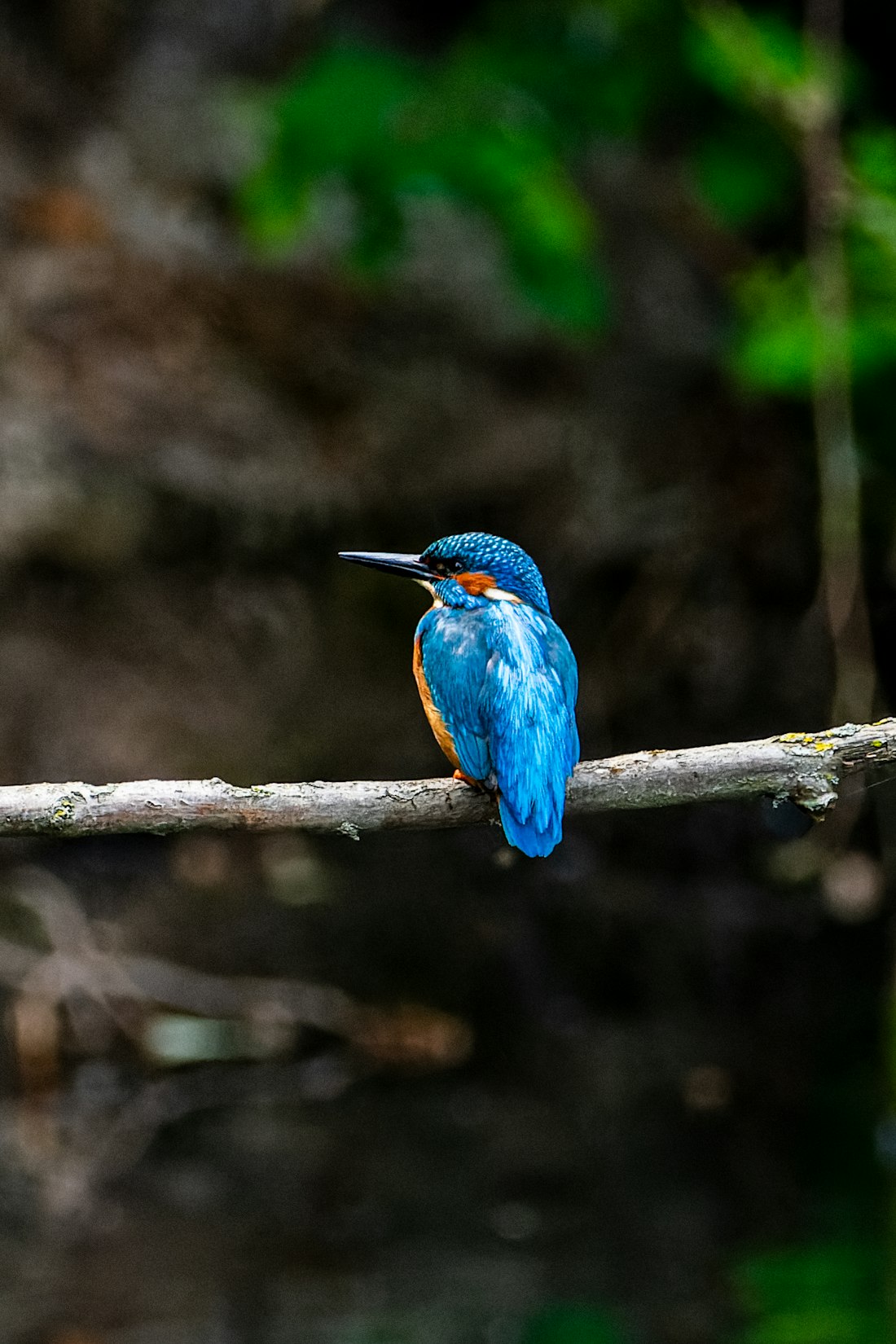 5.0
Kalametiya Bird Watching - Kalametiya Bird Sanctuary
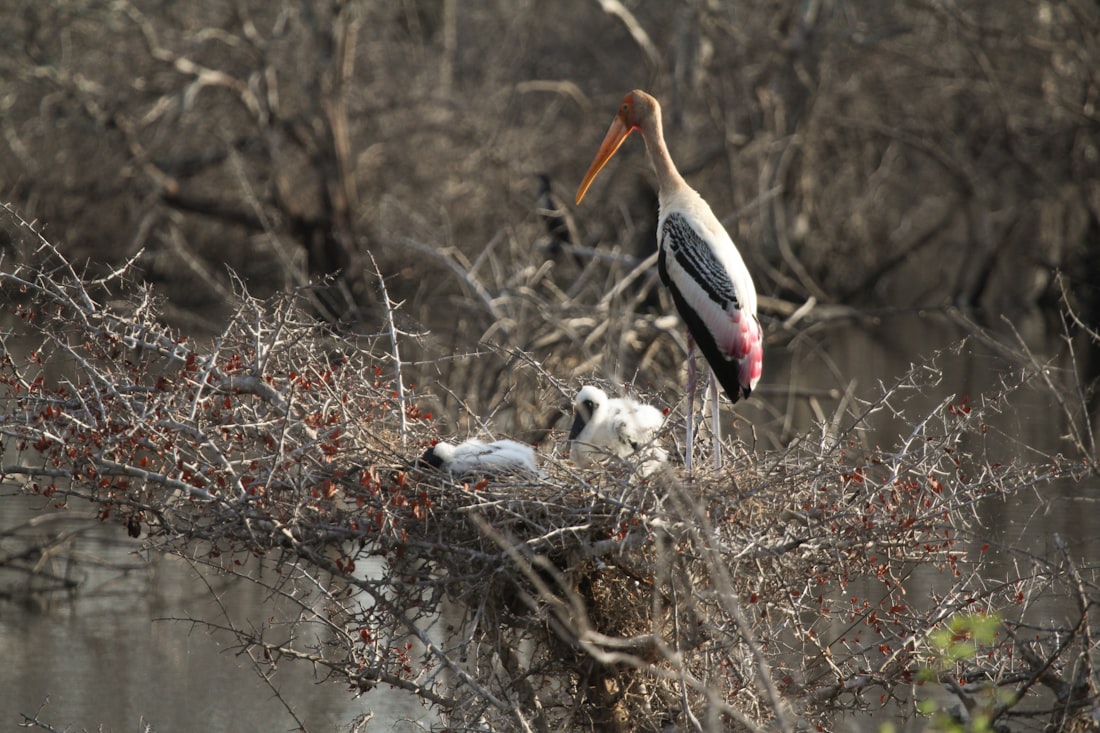 5.0
Weerawila lake Birdwatching Hotspot
 4.9
Kalametiya Bird Park
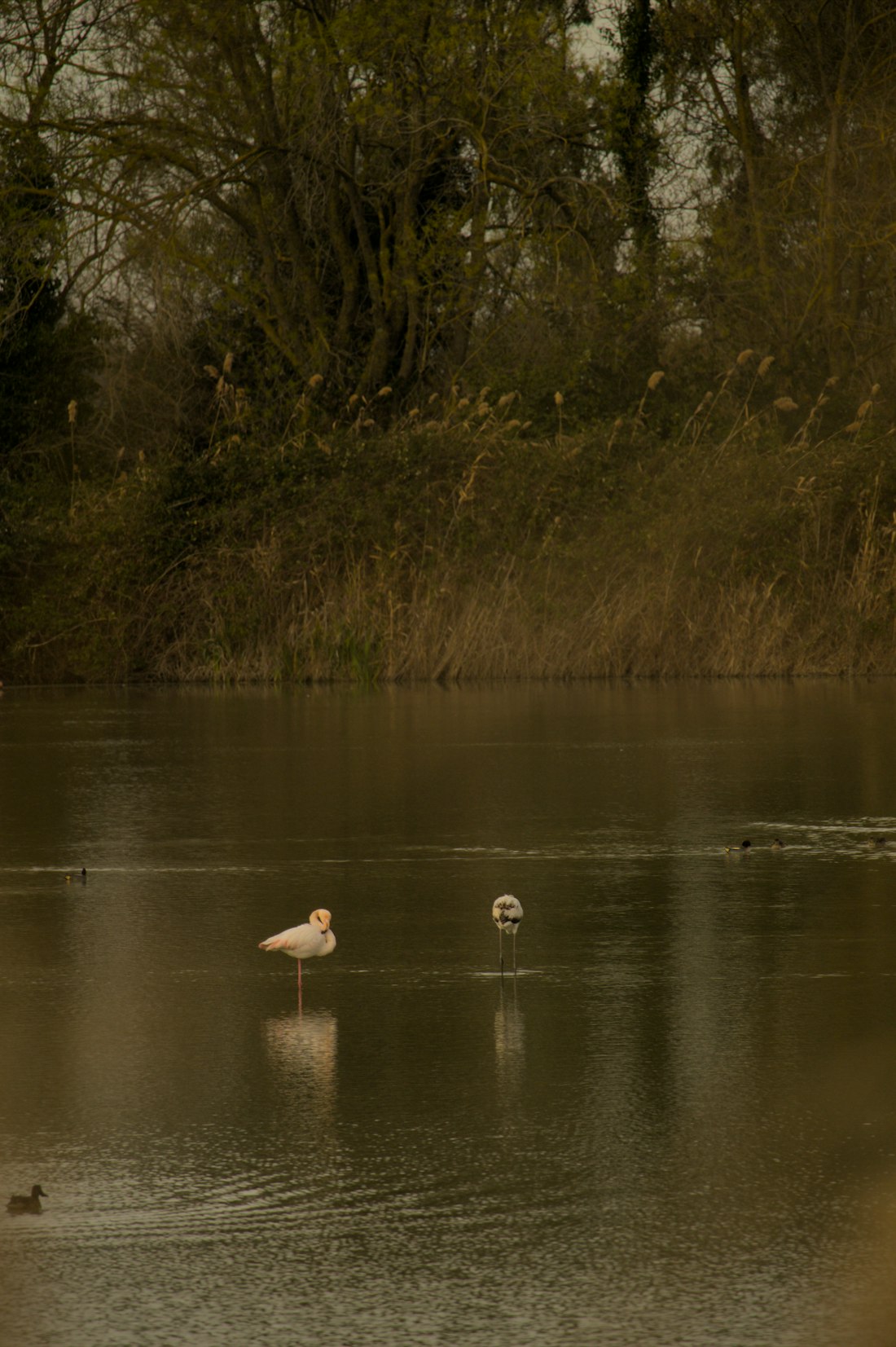 4.8
Anawilundawa Wetland - North Birdwatching Trail
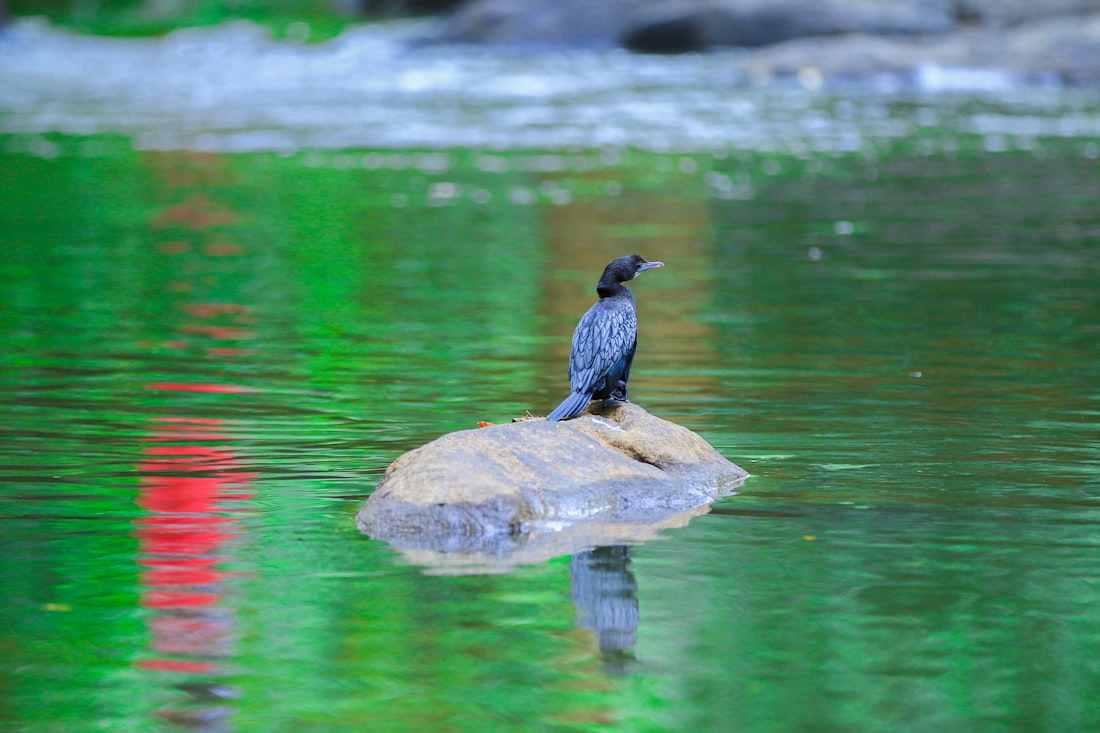 4.7
Girithale Tank
 4.7
Birds Park Dehiwala
 4.6
Kumana Birds Information & watching point
 4.4
Kalametiya Bird Sanctuary
 Sri Lanka Birdwatching
 4.5
Bird Watchin Point
4.5
Kimbulawala Water Bird Watching Point
Bird Watching Tours in Sri Lanka
Kirala Kele Bird Watching Area
No birding spots match your filters.
When to go
The first Central Asian Flyway migrants make landfall, most funnelling in over Mannar in the northwest, some nonstop from Arctic Russia across the Himalayas.
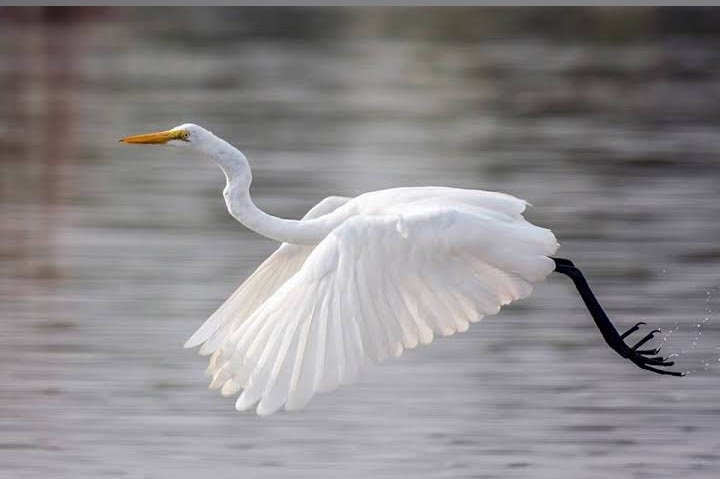
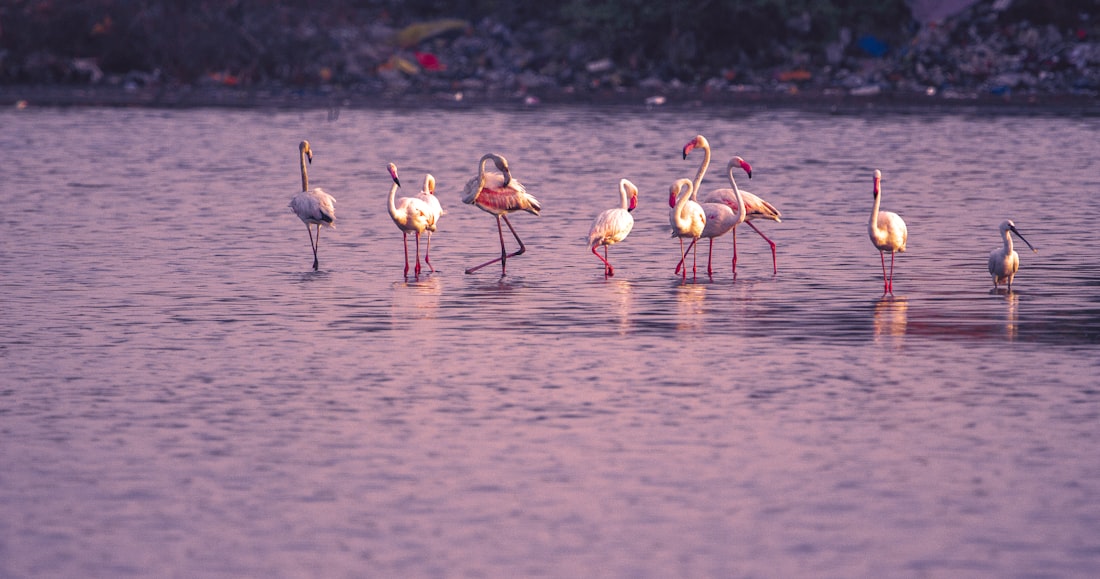
Peak variety: winter visitors pour into the wetlands and tanks. Vankalai near Mannar holds 20,000+ waterbirds at once Dec to Feb, including big greater flamingo flocks; Bundala is the southern terminus.
The migrants head north by late April. Endemics and resident waterbirds hold the stage, quieter reserves and dramatic nesting colonies at the wetlands.
Whatever the month, the first two hours after sunrise deliver the most activity, and the best light.
Sri Lanka records well over 400 species, including 30+ found nowhere else on earth.
Where to go
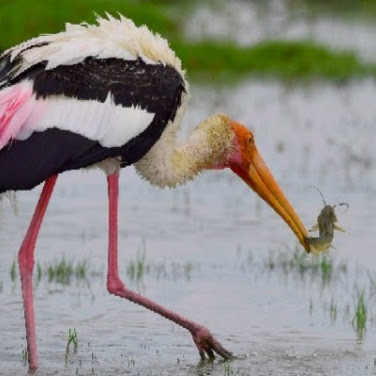
Lagoon and marsh systems near Tangalle and Hambantota, flamingo flocks, painted storks and huge wader gatherings.
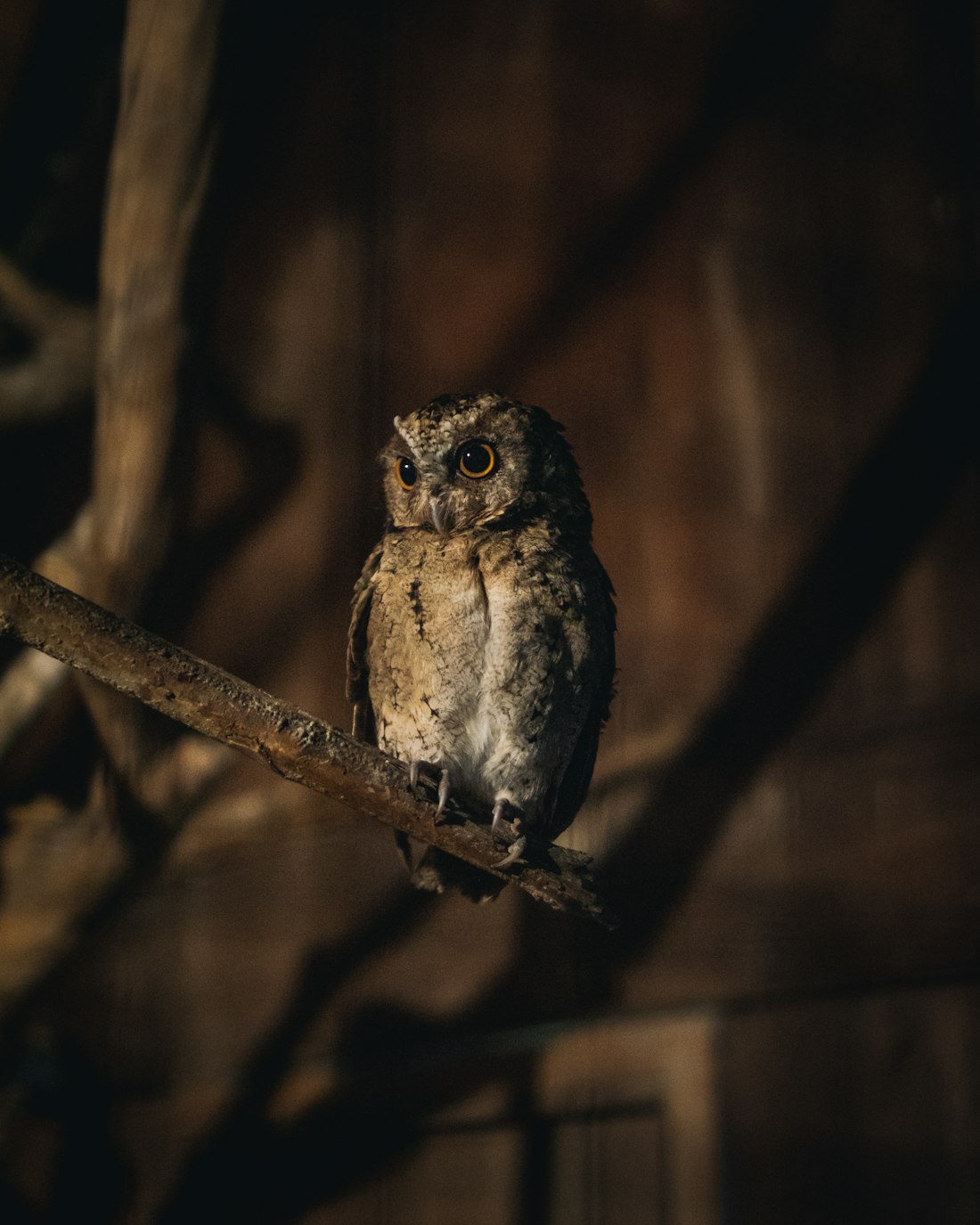
Ancient reservoirs ringed by trees, pelicans and cormorants by day, owls and nightjars on guided night walks.
Sri Lanka's famous bird sanctuary beside Yala, its mangrove lake hosts spectacular breeding colonies.
The wet-zone forests hide the hardest prizes, blue magpies and mixed feeding flocks deep in the canopy.
Star species
Local guides know the roosts and calls, a half-day with one usually doubles your list.
Beyond the binoculars