
Handling the Sri Lankan sun: heat, UV and hydration
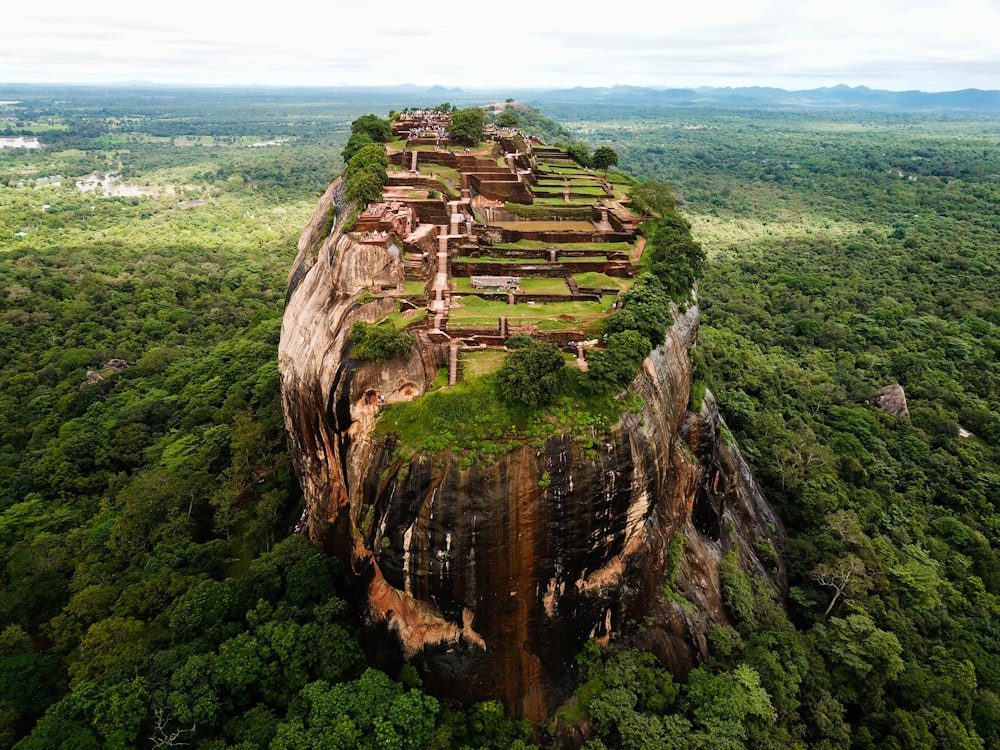
Six degrees from the equator, the UV index stays extreme year-round. How to plan sightseeing hours, hydrate like a local and avoid the classic day-three burn. Sri Lanka sits just above the equator, so the sun is fierce all year even under cloud. The classic tourist mistake is a long, shadeless climb, Sigiriya or Pidurangala, in the midday.
The practical picture
Sri Lanka sits just above the equator, so the sun is fierce all year even under cloud. The classic tourist mistake is a long, shadeless climb, Sigiriya or Pidurangala, in the midday blaze. Do big outdoor sights before 10am or after 3pm and the island feels ten degrees kinder.
Hydrate the local way: king coconut (thambili) straight from the roadside is about Rs 120 to 150, sterile and full of electrolytes. High-SPF sunscreen is pricier on the island, so bring your favourite from home.
Frequently asked
How hot does Sri Lanka get?
When is the best time of day for sightseeing?
What is a king coconut?
Places in this guide




Sources
We compile and link to public sources; details change, so verify time-sensitive specifics before you travel.