Whale Watching in Sri Lanka: Where, When and How, Ethically
One of the best places on Earth to see blue whales close to shore. Which coast to pick by season, what you’ll see and how to pick an operator that respects the animals. The star is the **blue whale**, the largest animal ever, which stays in these warm waters year-round rather than migrating. You may also see **sperm.
Which coast, which season
A narrow continental shelf brings deep-water whales unusually close to shore.
Mirissa (south), Nov to Apr
Trincomalee / Nilaveli (east), May to Sep
Kalpitiya (north-west), Nov to Apr
What you’ll see
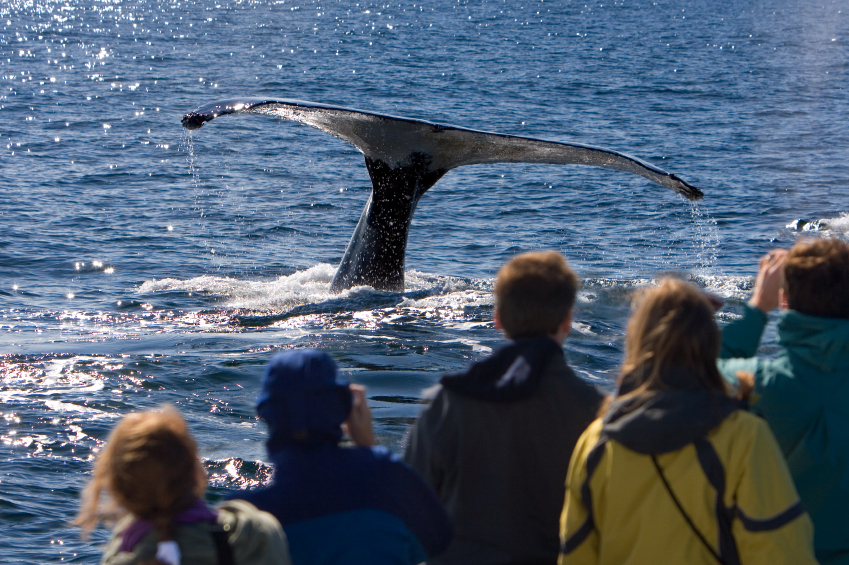
The star is the blue whale, the largest animal ever, which stays in these warm waters year-round rather than migrating. You may also see sperm whales, acrobatic spinner dolphins (often in pods of hundreds), bottlenose and Risso’s dolphins, and occasionally orcas. Look for the tall blow, then the long blue-grey back rolling at the surface.
Sources: [1]
Choose an ethical boat
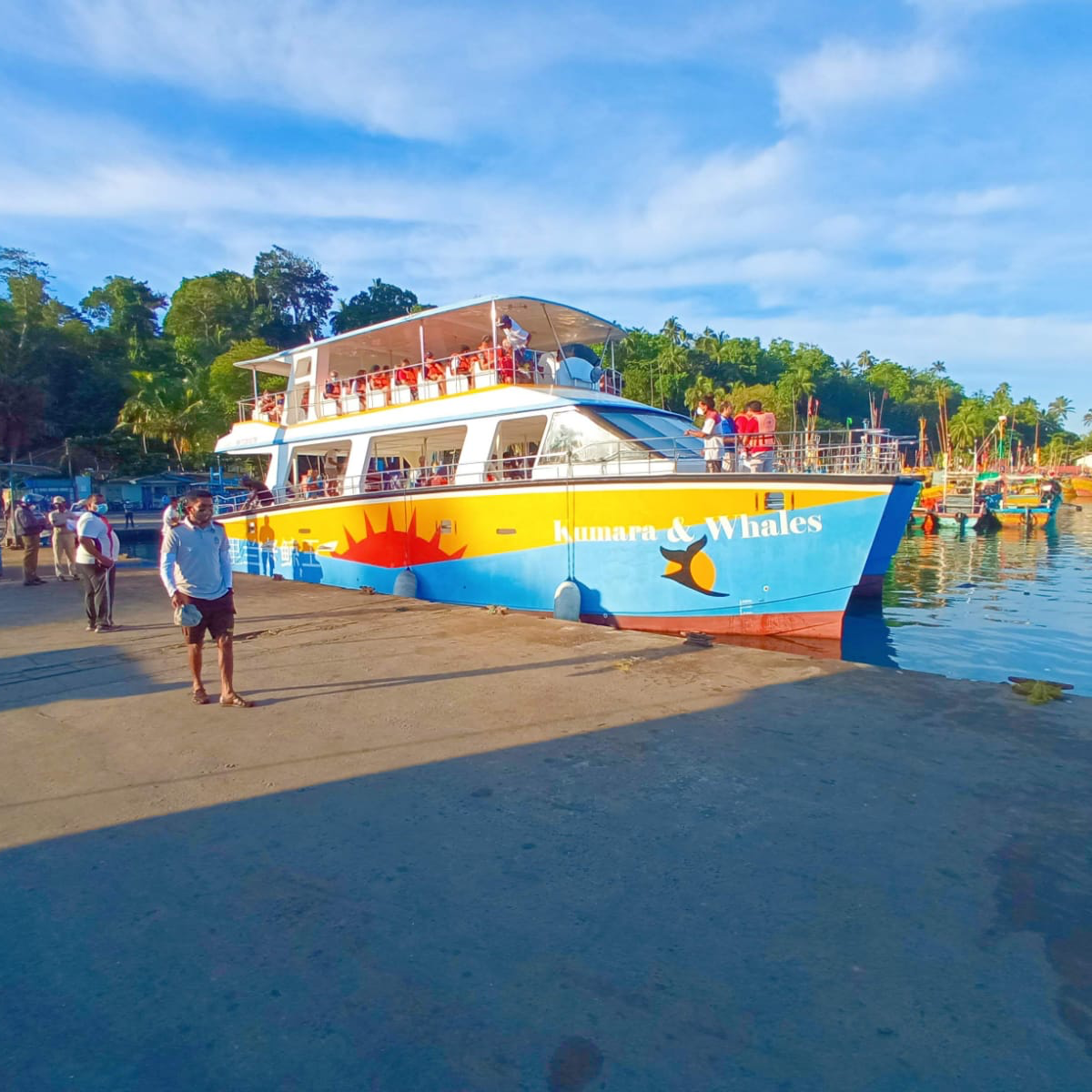
Tourism can stress the animals. By law boats must stay 100 m from whales and 50 m from dolphins (300 m for a mother and calf), approach in parallel (never head-on), and no more than three boats may crowd one animal. Swimming with whales is illegal without a special permit, despite many illicit operators advertising it, please don’t book those. Pick operators who cap passenger numbers and follow the distance rules; pay a little more for a calmer, more responsible trip.
Sources: [2]
Practical tips
Go at dawn, always: boats leave 6 to 6:30am to beat the thermal winds that chop the sea by mid morning. Take seasickness tablets an hour before, sit mid-boat, and watch the horizon. Bring sun protection, water and a light jacket. Trips run about 3 to 5 hours; expect around Rs 15,000 per adult at Mirissa and Rs 8,000 to 15,000 at Trincomalee with a good operator, plus any wildlife ticket in protected zones.
Sources: [1]
Frequently asked
Where’s the best place to see whales?
What’s the best time of year?
Can I swim with the whales?
I get seasick, any tips?
Places in this guide




Sources
We compile and link to public sources; details change, so verify time-sensitive specifics before you travel.