Sri Lanka wildlife calendar: what to see, where, month by month
Leopards, the great elephant Gathering, blue whales, nesting turtles and a continent's worth of migratory birds all run on the monsoon clock. Time it right and the island delivers like nowhere else. Almost every wildlife spectacle here is driven by water. The dry season concentrates animals around shrinking waterholes, so predator sightings soar; the rains disperse them again.
On this page
The monsoon is the timetable
Almost every wildlife spectacle here is driven by water. The dry season concentrates animals around shrinking waterholes, so predator sightings soar; the rains disperse them again. The same monsoon flip decides which ocean coast is calm enough for whale boats. Learn the rhythm once and you can time an entire trip around it.
Sources: [1]
Leopards, month by month
Sri Lanka's endemic leopard has no lion or tiger to hide from, so it lounges in the open by day. Yala Block 1 holds one of the highest densities on Earth.
February to April, the season builds
May to July, the peak
August, crowded but strong
September to October, Yala rests
November to January, green season
The mountain leopards
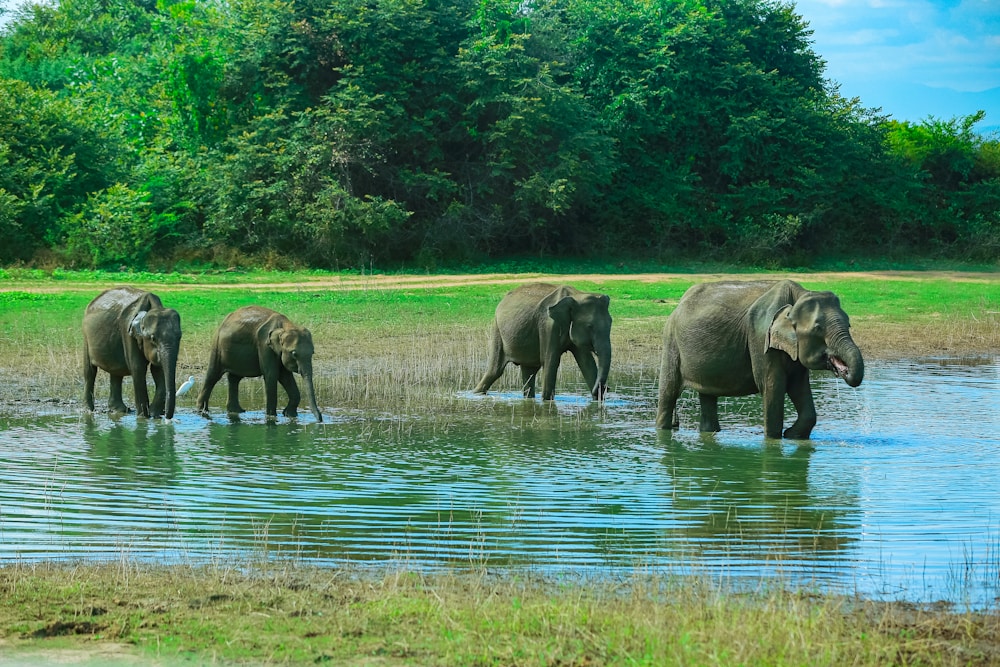
The elephant Gathering follows the water
Up to 300 to 400 wild elephants on one receding lakebed, among the world's great wildlife events. The herds rotate parks with the reservoirs.
July to September, Minneriya
October to November, Kaudulla
December to June, Hurulu and beyond
Ask before you book
Whales: pick the coast by the month
November to April is Mirissa season in the south: blue whales feed over the continental drop off less than an hour offshore, with sighting odds of 85 to 95 percent January to March, plus spinner and bottlenose dolphins. Kalpitiya in the northwest runs the same months with spinner dolphin super pods that can number 500 to 1,000.
May to September the show moves to Trincomalee, where a 3,000 metre submarine canyon starts almost inside the harbour. Sperm whales hunting giant squid are the stars, sometimes in social super pods, and boats reach the grounds in under 30 minutes. Expect about Rs 15,000 an adult at Mirissa and Rs 8,000 to 15,000 at Trinco, dawn departures always.
Sources: [4]
Turtle nesting nights
Five sea turtle species nest on the south coast, and Rekawa near Tangalle reliably hosts all of them, protected where they lie on the beach rather than moved to tanks. The main window is November to April, with green turtles, two thirds of all nests, peaking February to April. Guided night watches start around 8pm; the strict rules, no white lights, no flash, patience through a three hour nesting sequence, exist because light can turn a female straight back to sea.
Fees, roughly Rs 1,000 to 2,000, fund the local anti poaching patrols. Hatchlings emerge on a 50 to 60 day delay, so hatching peaks January to June. Kosgoda's hatcheries on the west coast are the daytime alternative.
Sources: [5]
The bird migration
Sri Lanka is the final stop of the Central Asian Flyway, and millions of birds funnel in over Mannar in the northwest, some flying nonstop from Arctic Russia across the Himalayas. Arrivals begin August and September, the peak runs November to March, and by late April they are gone north again.
Vankalai Sanctuary near Mannar holds over 20,000 waterbirds at once from December to February, including huge greater flamingo flocks. Bundala in the deep south is the classic terminus, 197 recorded species with 58 winter migrants among its lagoons and salt pans. Forest migrants like the Kashmir flycatcher and pied thrush winter in the highlands.
Sources: [6]
So when should you come?
February to April is the sweet spot for a bit of everything: peak leopards, peak whales at Mirissa, turtles nesting and the tail of the bird migration. July to September trades whales in the south for the Gathering at its height, prime east coast seas at Trincomalee and the best leopard odds of the year, one of the strongest wildlife months anywhere. Whatever you pick, this app's park pages carry the current entry fees and jeep costs.
Frequently asked
What is the single best month for wildlife in Sri Lanka?
When does Yala close?
Where and when can I see the elephant Gathering?
Can I watch turtles nesting?
Places in this guide


Sources
- Blue Lanka Tours, Best time to see leopards month by month ↗
- Sri Lanka Travel Life, Best parks to spot leopards ↗
- Sri Lanka Tourism Alliance, The largest Asian elephant gathering ↗
- Pickyourtrail, Whale watching in Sri Lanka ↗
- Nature Foundation of Rekawa, Turtle Watch ↗
- Dilmah Conservation, The journey of migratory birds ↗
We compile and link to public sources; details change, so verify time-sensitive specifics before you travel.