Ceylon Tea Country: Estates, Terroir & How to Visit
Born from a coffee blight in the 1870s, Ceylon tea now spans seven growing regions. How elevation shapes flavour, which estates to visit and how to buy the real thing. “Ceylon tea” is graded by altitude into **high-grown** (above ~4,000 ft), **mid-grown** and **low-grown**, across seven regions recognised by the Sri Lanka Tea Board. Cool, misty highlands slow.
On this page
Terroir: why elevation is everything
“Ceylon tea” is graded by altitude into high-grown (above ~4,000 ft), mid-grown and low-grown, across seven regions recognised by the Sri Lanka Tea Board. Cool, misty highlands slow the bush down and concentrate aromatic oils, so high-grown Nuwara Eliya and Uva are light, fragrant and prized, while low-grown Ruhuna and Sabaragamuwa near the south coast give thick, dark, honeyed liquors.
Kandy (mid-grown) is the historic birthplace of the industry and makes robust, copper-toned tea ideal for strong blends. Uva, on the eastern slopes around Ella and Badulla, gets desiccating monsoon winds that give its tea a distinctive pungency.
Estates worth your morning
Tap to expand. Go early, highland fog rolls in by mid-morning.
Lipton’s Seat & Dambatenne (Haputale)
Pedro & Damro Labookellie (Nuwara Eliya)
Handunugoda (Ahangama, south coast)
Amba Estate (Ella / Bandarawela)
Loolkandura (Kandy)
Ceylon Tea Trails (Hatton)
Buying the real thing
The Ceylon name is widely counterfeited. Look for the Lion Logo, it certifies 100% pure Ceylon tea, packed in Sri Lanka and lab-tested to ISO 3720. Buy from the Sri Lanka Tea Board Sales Centre (Galle Road, Colombo 3), the Ceylon Tea Supermarket (Colombo/Ella/Hiriketiya), or a Dilmah t-Lounge rather than roadside “tea factory” gift shops.
Sources: [3]
The ethics behind the leaf
The industry runs on roughly 700,000 workers, mostly women of Indian-Tamil “estate” heritage, many still in cramped colonial-era “line rooms”. In 2024 the daily wage rose ~70% to LKR 1,700 (~$8.50). If you photograph a plucker, always ask first and offer a small tip (Rs 100 to 200) for the wages she loses while posing, and choose ethical estates like Amba where you can.
Sources: [2]
When to go & getting there
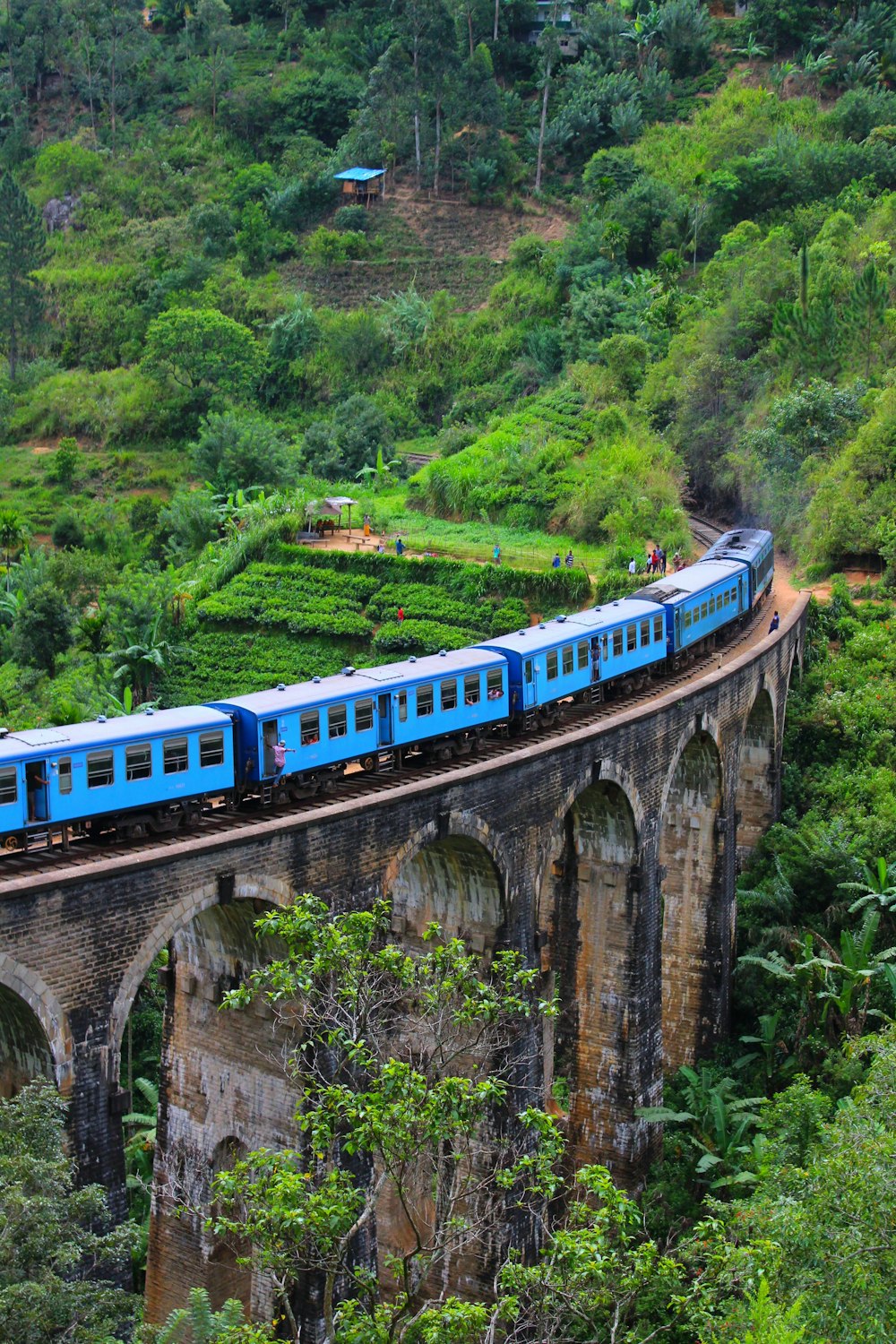
February to April is the dry “quality season” for highland tea, with clear skies for Lipton’s Seat and Ella Rock. The Kandy to Ella train is one of the world’s great rail journeys, book Second/Third Class Reserved (not the sealed-window First Class) on the railway portal exactly 30 days ahead, or via an aggregator like 12Go.
_Note (2026): Cyclone Ditwah damaged the line; service has been running only on the high stretch Ambewela to Ella, with full reinstatement expected in early 2027, check current status before you plan._
Sources: [4]
Frequently asked
Is Ceylon tea actually different from other tea?
Which tea estate is best to visit?
Is the Kandy to Ella train running?
How much should I tip a tea-estate guide?
A driver offered a free tour that stops at a “tea/spice/gem” shop, should I go?
Places in this guide



Sources
- Sri Lanka Tea Board, Tea growing regions ↗
- History of Ceylon Tea, industry at a crossroads ↗
- Sri Lanka Tea Board, Lion Logo, symbol of quality ↗
- The Common Wanderer, Kandy to Ella train guide ↗
We compile and link to public sources; details change, so verify time-sensitive specifics before you travel.