
Etiquette in Sri Lanka: Temples, Dress, Photography & Poya
Cultural etiquette every visitor should know, temple dress and behaviour, photography sensitivities, and what changes on Poya days. Cover shoulders and knees, remove shoes and hats before entering, and remove footwear well before the threshold at major sites (Sigiriya, Dambulla, Kandy's Temple of the Tooth). Loud talk, swimwear and public displays of affection are inappropriate at religious sites.
On this page
Temples & sacred sites
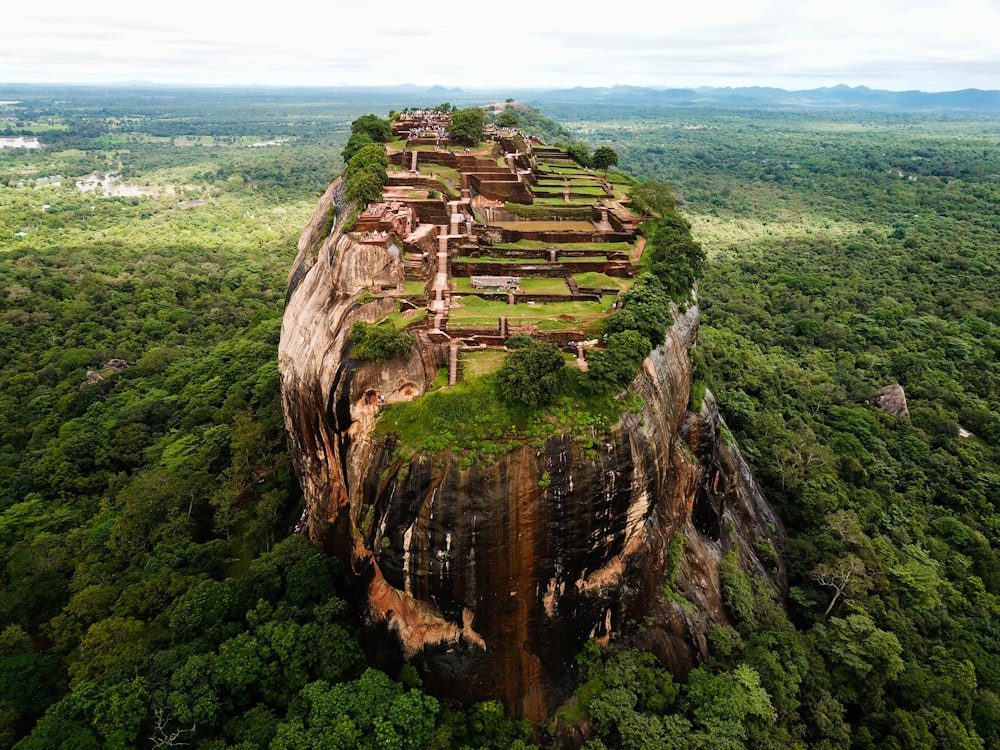
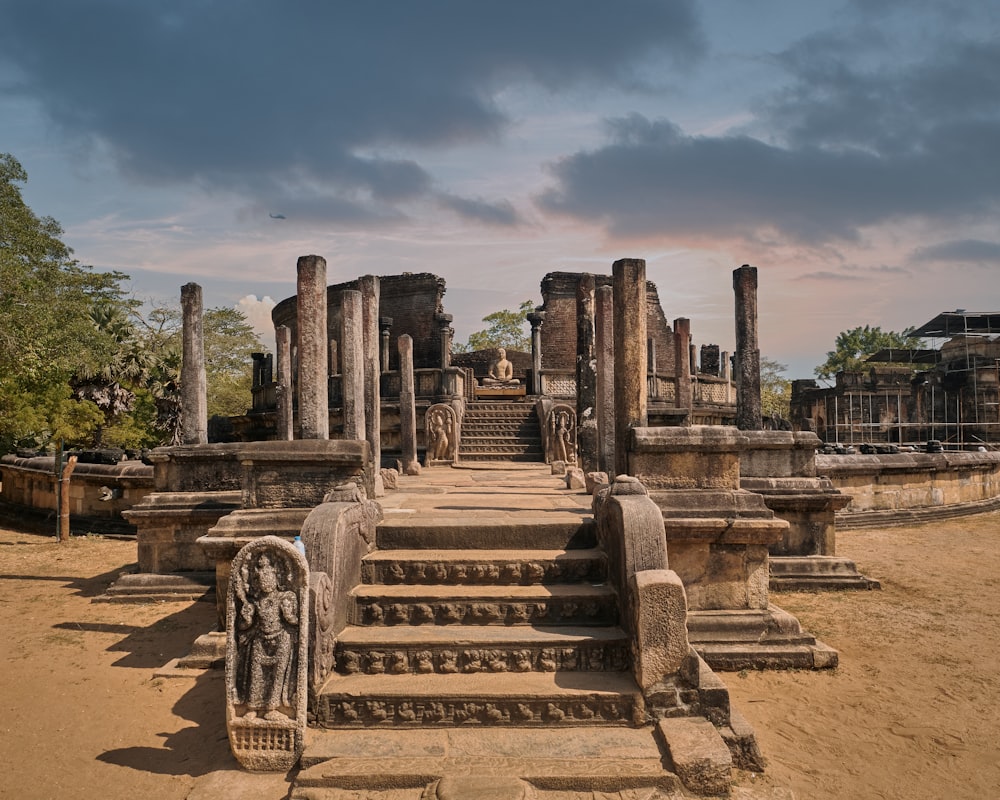
Cover shoulders and knees, remove shoes and hats before entering, and remove footwear well before the threshold at major sites (Sigiriya, Dambulla, Kandy's Temple of the Tooth). Loud talk, swimwear and public displays of affection are inappropriate at religious sites.
Never turn your back to a Buddha statue for a photo (posing with your back to, or "selfies" that treat the statue as a backdrop, are considered deeply disrespectful, and have led to arrests of tourists in the past).
Photography
Ask before photographing people, especially in rural areas and at religious ceremonies. Some sites restrict drone or tripod use, see the Legal & Entry page for drone rules.
General etiquette
Use your right hand (or both) to give/receive items and to eat if eating by hand. Remove shoes before entering homes. A head-wobble ("yes/ok" gesture) is common and friendly, not a no.
Poya days
On full-moon Poya days (public holidays, roughly monthly), alcohol and meat sales are restricted islandwide, and some bars/liquor stores close. Temples get busy with pilgrims; plan around it rather than being caught out, see the Festivals & Seasons page for the calendar.
Frequently asked
What should I wear when visiting temples?
Can I take photos with Buddha statues?
What does the head wobble mean?
Places in this guide


Sources
We compile and link to public sources; details change, so verify time-sensitive specifics before you travel.